Winners revealed: Nelson and Marlborough Architecture Awards 2026
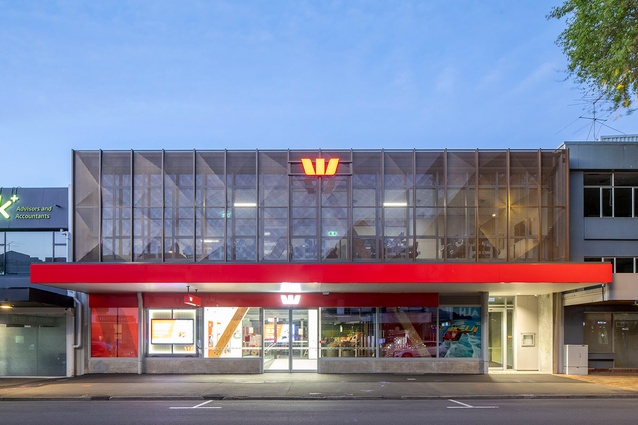
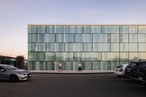
Winner - Commercial Architecture: Tinline Development by Irving Smith Architects.
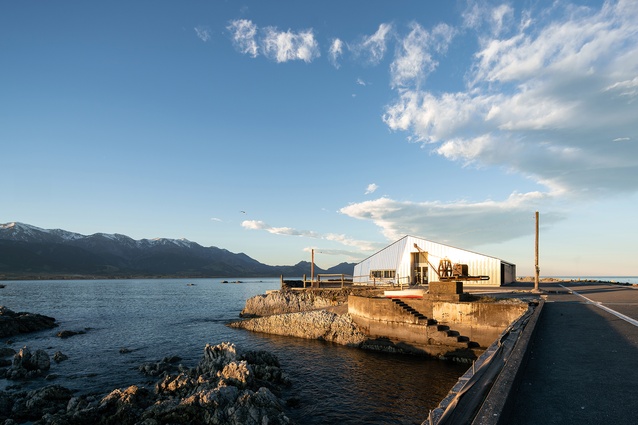
Winner - Commercial Architecture: Wakatu Quay Restaurant by Warren and Mahoney.
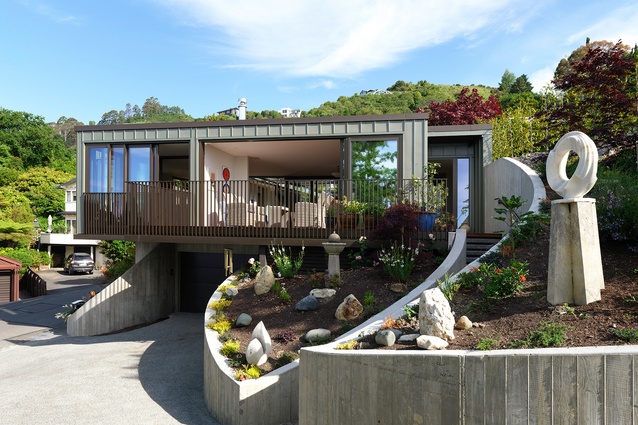
Winner - Housing: Flow House by JTB Architects.
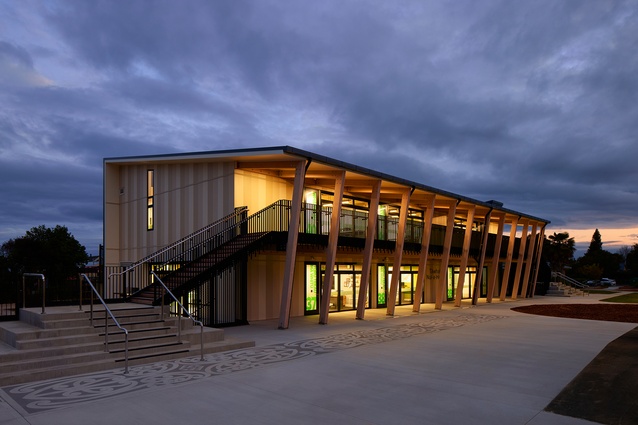
Winner - Education: Tāwhaki Nui-a-Hema / Motueka High School Maths and Horticulture Block by Arthouse Architects and Sheppard & Rout Architects.
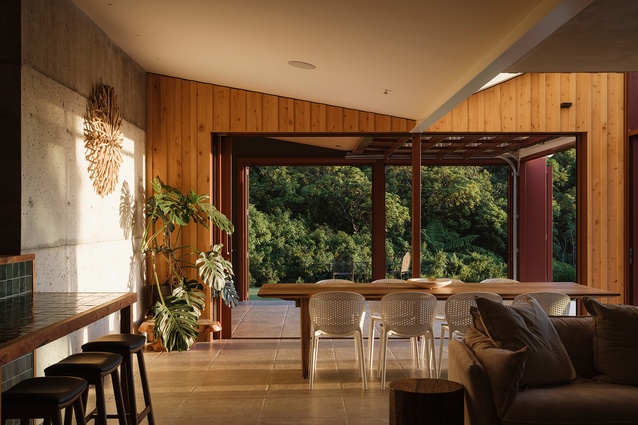
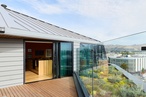
Winner - Housing - Alterations and additions: Black Millar House by Three Sixty Architecture.
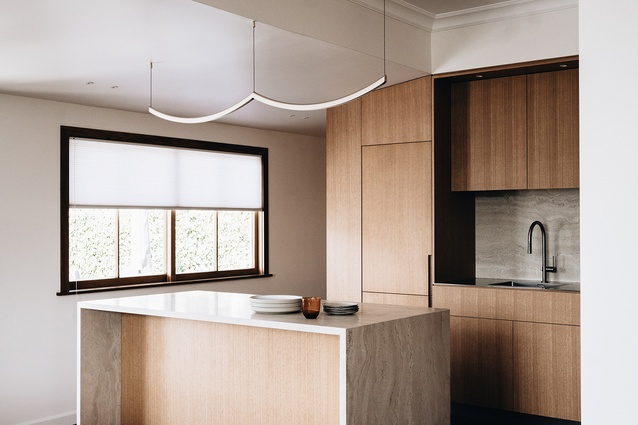
Winner - Housing - Alterations and additions: Sharlands House by Fineline Architecture.
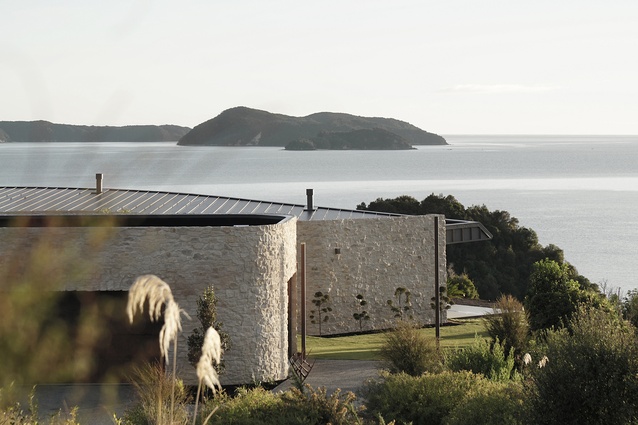
Winner - Housing: Ngaio Bay House by Monk Mackenzie.
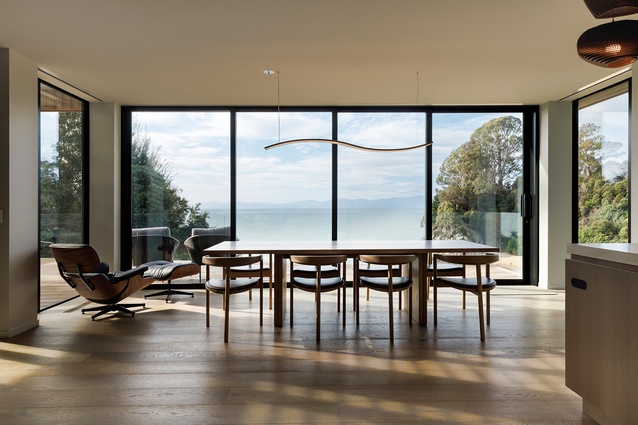
Winner - Housing: Oak and Stone by Redbox Architects and Lume Design in association.
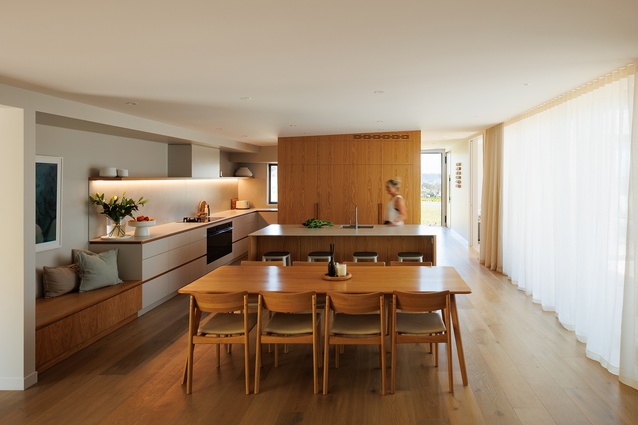
Winner - Housing: Tasman Gables by Stufkens + Chambers Architects.
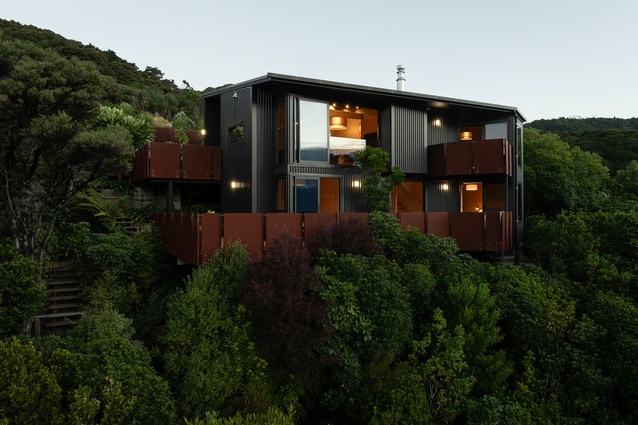
Winner - Housing: Tata Beach House by Chaplin Crooks Architects.
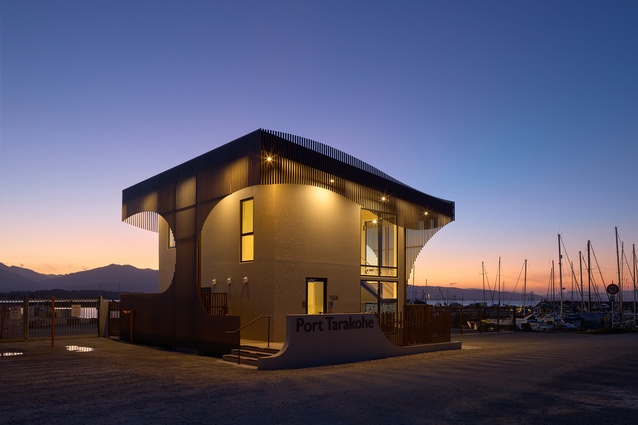
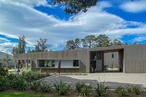
Winner - Public Architecture: Port Tarakohe Management and Amenities Building by JTB Architects.
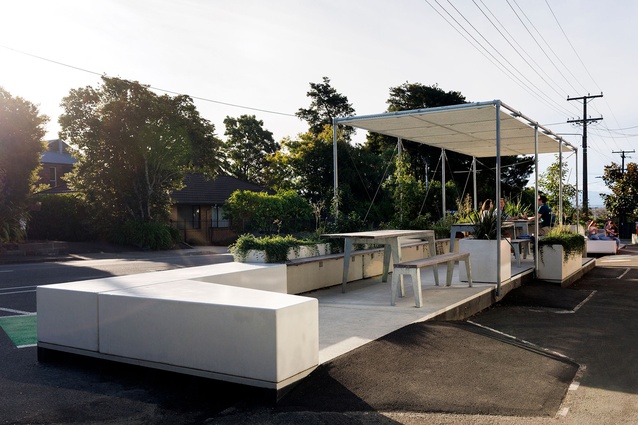
Winner - Public Architecture: Queen Street Parklet by William Samuels.
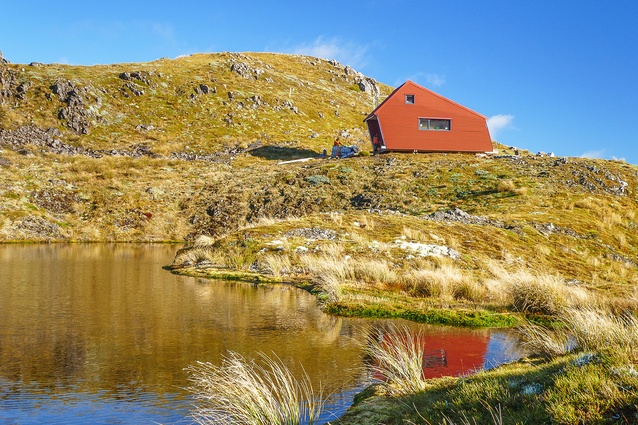
Winner - Small Project Architecture: Brass Monkey Hut by Jacobs Architects.
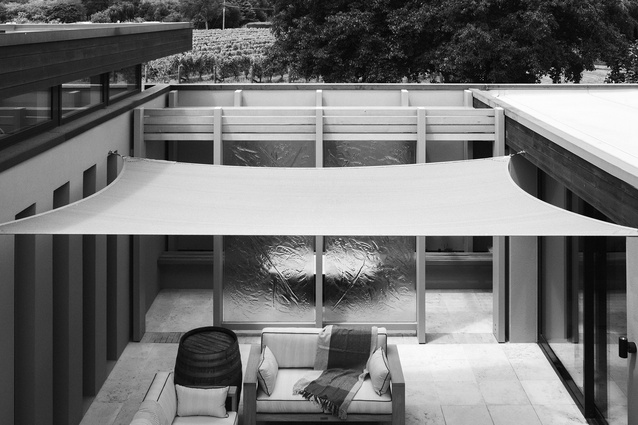
Winner - Small Project Architecture: Bunk, Bath & Beyond by Shaw & Shaw Architects.
Fourteen architectural projects across the top of the South Island have been deemed the very best in Te Kāhui Whaihanga New Zealand Institute of Architects’ Regional Awards this year, including a backcountry hut, an urban parklet, and several coastal homes that make the most of their natural surrounds.
Most challenging for the jury this year was Brass Monkey Hut, a winner in the Small Project Architecture category designed by Jacobs Architects and situated high in the Southern Alps in the Lewis Pass Scenic Reserve as a Department of Conservation backcountry hut. The jury settled for an off-site briefing instead of an eight-hour tramp, but were struck by the design’s response to the extreme alpine environment and the dedication of the volunteers and project team in its construction.
The Queen Street Parklet by William Samuels was a winner in the Public Architecture category, designed as part of the Streets for People programme, where councils across Aotearoa trialled streetscape changes to enable people-friendly places and neighbourhoods. The jury praised it as a creative response to a car-dominated area and support for more sustainable urban living.
The Housing category was also particularly strong in the Nelson & Marlborough region this year, with the judges awarding five projects spanning from Waipapa Bay near Kaikoura to Tata Beach in Golden Bay.
“The skill of architects was evident this year in distilling the key characteristics of their project sites and wider context, using these to drive designs in a way that was clearly seen and appreciated in the completed buildings,” says jury convenor and architect Patrick Avery of Untitled Works. “From a sustainability standpoint, it was also encouraging to see the intelligent use of engineered timber elements and building systems in many of the projects.”
Avery was joined on the jury by Virginia Fay (Studio Virginia Fay), Kevin Lux (Tennent Brown Architects) and lay juror Josephine Cachemaille.
The winners received their awards at an event at Suter Art Gallery in Nelson on 8 May.
Commercial Architecture
Tinline Development by Irving Smith Architects
This building provides a valuable example of how the use of timber in construction could be increased through structural timber buildings on smaller central city sites. Viewed as an expanded version of the Wall-E building typology developed by the architects, the project successfully navigates a range of city planning and tenancy-related constraints. Key features include the sense of privacy and engagement created by the perforated folded steel screens cladding the front and rear of the building, and the prominent structural systems that remain exposed and are incorporated into tenant designs throughout the interiors.
Wakatu Quay Restaurant by Warren and Mahoney
The Wakatu Quay project offers a clear and considered architectural response, balancing the site’s industrial past with future community use and the sensitivity of the coastal ecology. The result is a building strongly grounded in its place and in the rhythms of the Kaikōura coastline. It works as a civic marker and gathering point, drawing people into an experience of Kaikōura’s key elements — sky, mountains, and sea. The form is shaped by the local landscape, referencing the region’s tectonic character and the angular limestone geology of the peninsula.
Education
Tāwhaki Nui-a-Hema / Motueka High School Maths and Horticulture Block by Arthouse Architects and Sheppard & Rout Architects
This secondary school classroom building demonstrates progress in mass timber construction for the Ministry of Education. The building model allows standard and specialist teaching spaces to be arranged in a linear layout, while providing flexibility for use across many school campuses in Aotearoa. In this case, it supports a horticulture programme, with practical interior spaces that connect directly to greenhouses and gardens. Upstairs, warm, light-filled classrooms support whole-class learning alongside smaller focused spaces beneath a generous light shelf. Carefully chosen materials celebrate the exposed structure, encouraging curiosity about how the building is made and how it functions.
Housing - Alterations and additions
Black Millar House by Three Sixty Architecture
This project gives new life to an iconic coastal Kaikōura property. New spaces are carefully stitched into the original home, comprising a linear bedroom wing, a reconfigured central zone, and a living pavilion opening to a beautifully established garden landscape. This surgical approach has minimised waste, preserving the building’s embedded relationship with the land while enabling a complete reorganisation of plan and function. The project strikes a beautiful balance between new and old, where both are expressed with raw honesty.
RESENE COLOUR AWARD CITATION
Barn red is the unifying element in this project. With strong ties to rural buildings, the scoria tone highlights the surrounding coastal bush and timber cladding from different eras. The architect’s consistent use of this colour helps bring the building’s various parts together into a cohesive whole.
Sharlands House by Fineline Architecture
A beautifully detailed and considered alteration, shaped by the rhythms of the owners’ home life, natural materials, and light. The new kitchen is both a highly functional workspace and a refined element, anchored by a strong central island that supports everyday use and informal gatherings. The reconfigured bathroom meets contemporary needs, with quality materials, ease of use, and natural light, creating a calm, quiet retreat. Everything feels natural and familiar while being modernised. The project reflects sustainability through the careful reuse and reworking of existing spaces, with thoughtful detailing and no need for extension.
Housing
Flow House by JTB Architects
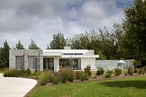
Transformed from an overlooked site into a richly layered home, this project demonstrates the potential of infill housing to make use of existing suburban infrastructure. Designed with retirement in mind, the owners can age in place while staying connected to their community. The courtyard house typology reflects the owners’ lifestyle while responding to challenging site constraints. Environmental performance is supported by passive ventilation and high levels of natural light. A north-facing winter garden helps manage seasonal change, while the courtyard layout improves airflow, comfort, and privacy.
RESENE COLOUR AWARD CITATION
Colour is used confidently throughout, giving each space its own character. Bold tones complement the extensive timber finishes, culminating in the kitchen. Outside, a simple palette of green zinc and raw in-situ concrete creates a strong, cohesive backdrop to the street.
Ngaio Bay House by Monk Mackenzie
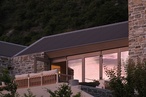
Located at the southern end of the Abel Tasman National Park, Ngaio Bay House is composed as a group of buildings shaped by the site’s contours and climate. Sandstone walls extend from the headland’s geology, enclosing a courtyard and supporting a curved roof that connects interior and landscape. The roof follows the natural contours, rising above the central volume toward the National Park. The project shows careful attention to material choice and detailing, with a plan that frames selected views to the sea and landscape while creating sheltered outdoor spaces to experience them.
Oak and Stone by Redbox Architects and Lume Design in association
Tucked into a beautiful bay surrounded by native bush, this holiday home blends luxury with a strong connection to nature. Natural stone and soft timber finishes ground the building and add warmth, while the surrounding whenua and moana create a sense of calm. Careful site planning orients living spaces and bedrooms toward the sea view. Designed for family summers, the shared areas feel elegant, practical, and generous, making good use of sun and shade throughout the day. Detailed craftsmanship is evident throughout, ending in a timber and steel stair to the upper bedrooms, including a playful bunkroom tucked beneath a gable.
Tasman Gables by Stufkens + Chambers Architects
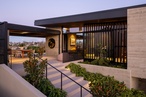
Designed for a young family, this coastal home in a growing subdivision captures panoramic views of Tasman Bay while maintaining privacy. Staggered gable forms are arranged to create sheltered courtyards and sun-filled living spaces. Durable materials and passive solar design combine to form a sustainable setting for family life. The interiors are well proportioned, with a restrained but carefully detailed material palette. Functional spaces are neatly integrated into joinery elements, contributing to a calm and composed interior.
Tata Beach House by Chaplin Crooks Architects
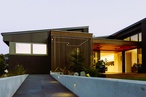
This simply composed, dark-clad volume sits comfortably on a steep, bush-clad site overlooking Tata Beach. Through a considered spatial sequence, the home connects two scales of landscape — the nearby bush and the distant coastline. Designed for retirement living with space for family and friends, it offers well-proportioned rooms that open onto a series of sheltered decks with sun, shade, and views across Golden Bay. The CLT timber construction is clearly expressed throughout, adding craft and a calm rhythm to the interior spaces.
Public Architecture
Port Tarakohe Management and Amenities Building by JTB Architects
The Port Tarakohe Management and Amenities Building emerges from beneath Golden Bay’s limestone cliffs. Detailing developed with Manawhenua ki Mohua and artist Robin Slow references Māori navigation and the 700-year-old Anaweka waka, grounding the design in local history. Curved façade screens reference pā palisades while also improving passive solar performance. The building’s materials and textures help it sit naturally in its setting. The plastered façade forms a textured, light-responsive surface that reflects the limestone bluffs and anchors the building within the coastal landscape.
Queen Street Parklet by William Samuels
Part of the Streets for People programme, the Queen Street Parklet transforms former car parks into vibrant public space. It creates a flexible, human-scaled place that enhances street life and encourages people to pause, connect, and enjoy the surroundings. The design has two parts: a small seating area outside a dairy and a larger covered space outside a pub and fish and chip shop, with bike parking and space for a coffee cart between them. Built from durable components, it can be dismantled and reused. The project responds creatively to a car-dominated area and supports more sustainable urban living.
Small Project Architecture
Brass Monkey Hut by Jacobs Architects
Redefining the simple gable hut, Brass Monkey’s sculptural form appears shaped by the prevailing wind, like the alpine plants around it. A robust barn-red corrugated steel exterior withstands the extreme environment, while the ply-lined interiors create warmth and frame views through carefully placed windows. Originally gifted by a benefactor, the project draws on research and long experience in New Zealand’s mountain environments. Strong commitment and generosity from volunteers, suppliers, and the architect have helped deliver a building designed to endure for many years to come.
Bunk, Bath & Beyond by Shaw & Shaw Architects
This modest alteration transforms a storage area into a playful bunkroom and ensuite for visiting family. An adjoining courtyard is enriched with objects of personal meaning, including textured glass panels salvaged from the former Christchurch Crowne Plaza Hotel and a bathtub retrieved from an Akaroa bank. The new space supports the energy of family visits while maintaining the calm character of the wider house. The project reflects careful resource use through the thoughtful reuse of existing, unused space.
RESENE COLOUR AWARD CITATION
Colour is handled with a light and considered approach. Working within the palette of the original house, the alteration introduces new interior colours that feel complementary yet quietly unexpected. Combined with the crafted timber bunks and ceiling, the warm tones create a calm and restful atmosphere.