Opinion: Why Design-Build is winning in New Zealand
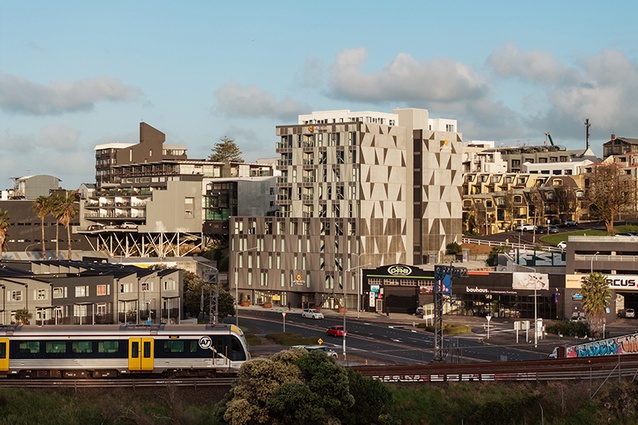
Safari La Quinta Parnell - Augustus Park.
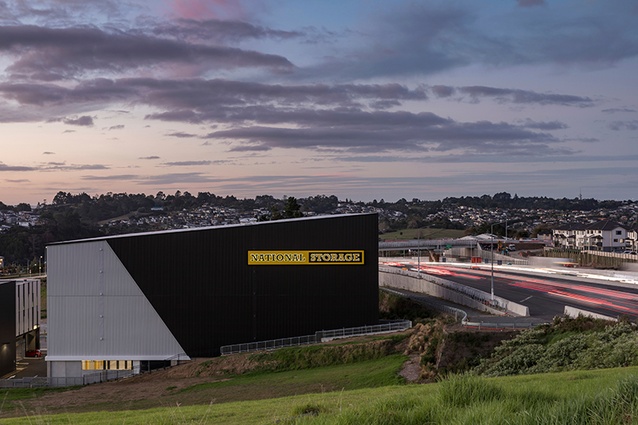
Nation Storage.
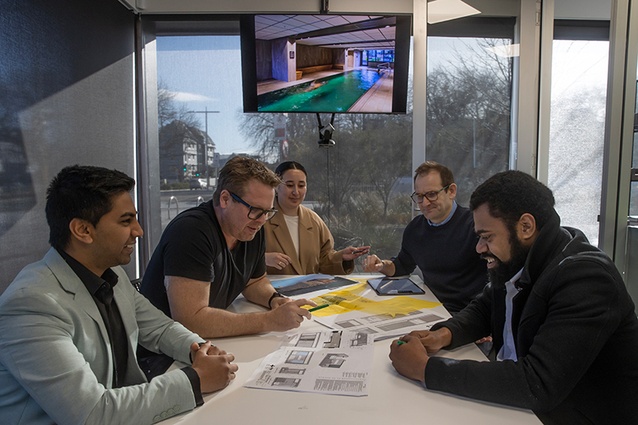
Matthew Charles with the team Plus Studio and construction company Icon Construction.
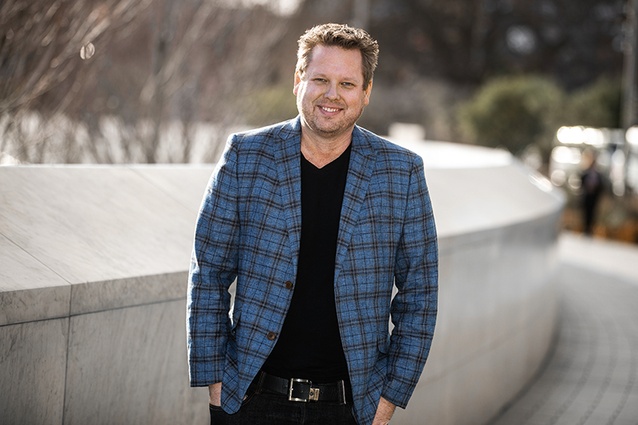
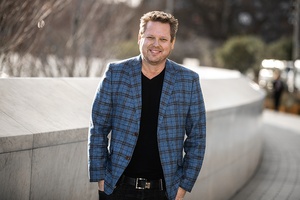
Matthew Charles, Director of Plus Studio New Zealand.
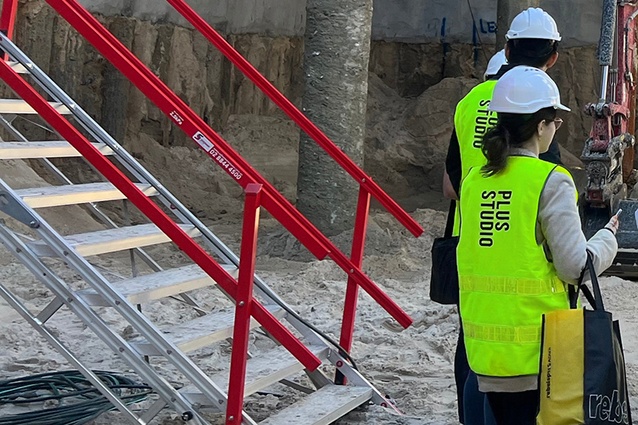
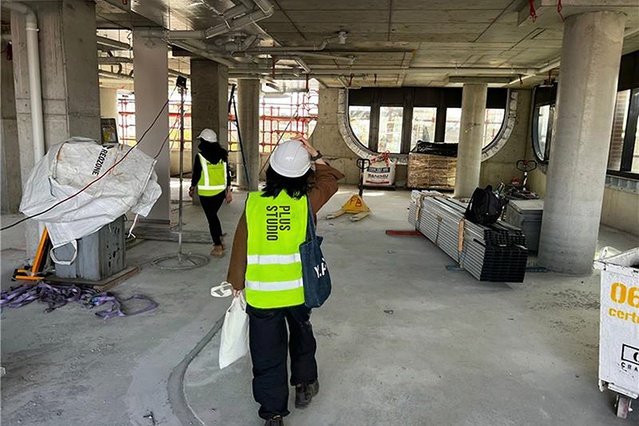
Plus Studio on site.
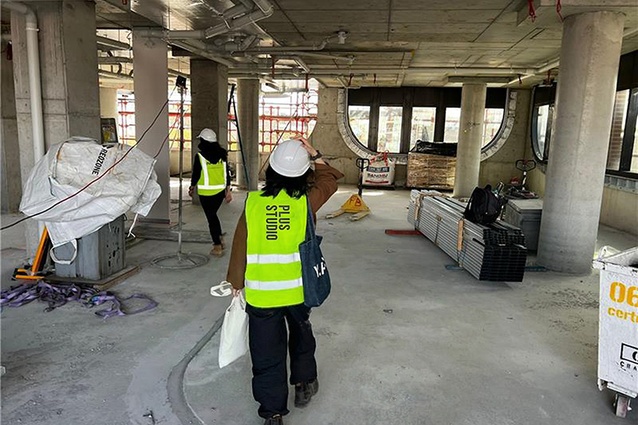
Plus Studio on site.
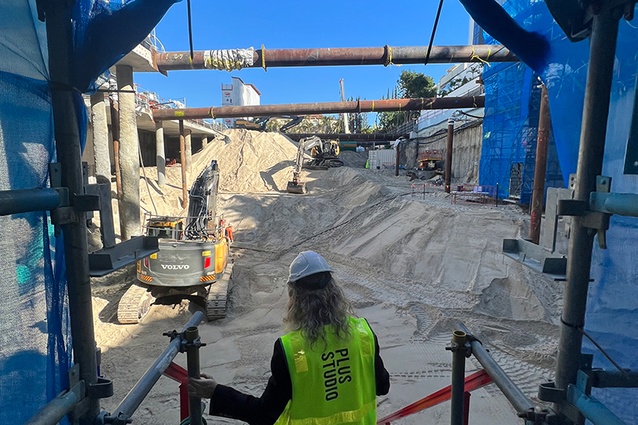
Plus Studio on site.
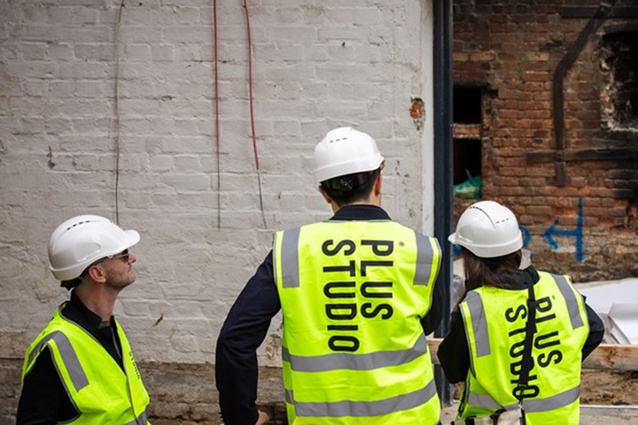
Plus Studio on site.
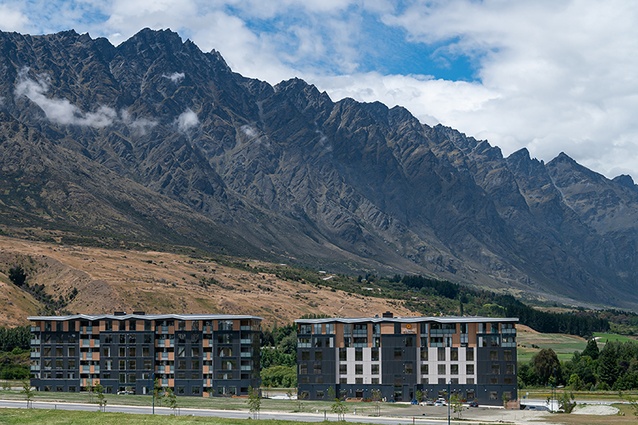
Safari La Quinta Kawarau River Hotel Residence.
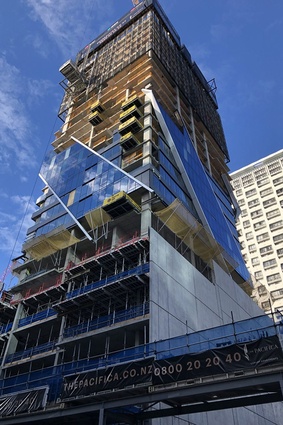
The Pacifica under construction.

Ranui Apartments.
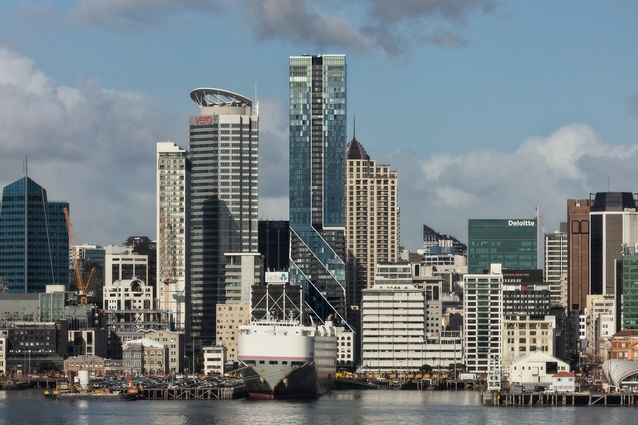
The Pacifica.
Matthew Charles draws on over 30 years of experience, including projects like The Pacifica in Auckland, where early contractor involvement helped resolve complex structural and site constraints upfront, and Rānui Apartments, where a Design-Build approach enabled 43 apartments to be delivered within a tight $18.9m budget. He’s also worked closely with Safari Group across multiple hotel developments, refining a repeatable Design-Build model over time.
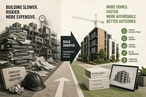
Matthew Charles: The traditional model — where architects complete designs, then hand them to builders for pricing — has served New Zealand construction for decades. But when material costs swing wildly, labour shortages persist, and projects stall under variations and delays, that linear handoff looks less like a process and more like a problem.
Design-Build changes the conversation. Instead of architects and builders working in sequence, they work in partnership from day one. The client contracts with a single entity responsible for both design and construction, collapsing timelines and shifting risk to those best positioned to manage it. This procurement method has moved from alternative to essential over my 30-year career, particularly as New Zealand developers recognise its value in uncertain times.
Builders and their sub-contractors bring something invaluable to a project: lived experience. Their knowledge offers a grounded, practical perspective that can cut through complexity. Not every complex problem needs a complex solution. Sometimes it needs buildability, focus, and the confidence of someone willing to share a hard-earned opinion.
Thirty years ago, in my first job at Chas S Luney, I learned something that’s stayed with me. Respect flows both ways. You don’t tell a craftsman how to execute their trade — that expertise comes from years of practice and mistakes. But equally, architects bring what builders usually can’t: the spatial thinking, the environmental strategy, the design intent that turns a functional building into something that actually serves people well. In Design-Build, you need both.
Today, more than ever, our projects depend on this mutual respect. Contractors bring their craftsmanship and expertise, architects bring design thinking and technical coordination. It’s through this partnership that better projects are truly made.
Our approach
We’ve been doing Design-Build for more than 25 years. It doesn’t change what we deliver — it changes how we work. The drawing packages get set out differently to support builders. Quality checks focus on what actually matters on site rather than just ticking boxes. It’s a different mindset entirely.
Documentation drives everything. Detailed, accurate drawings let contractors price with confidence and build without surprises.
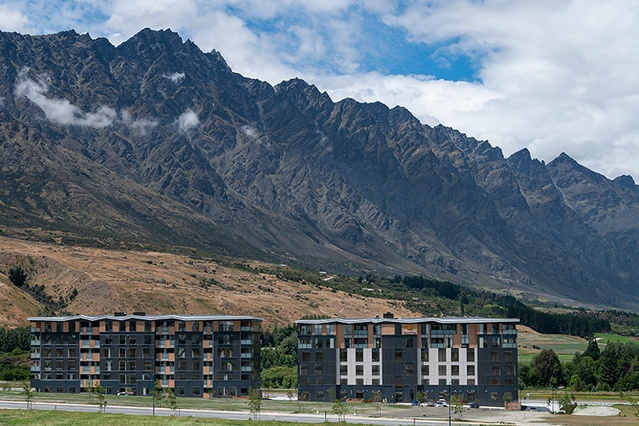
We’ve completed six projects with Safari Group, with two more in design across New Zealand. After that many projects together, we don’t remake the same decisions every time. The knowledge carries forward, the detailing improves, efficiency becomes genuine rather than just repetition.
Good Design-Build requires architects who understand how things get built and can detail accordingly, without sacrificing what makes a building work well for people. That’s the balance worth finding.
Design-Build doesn’t mean compromising on design quality. When done well, it enhances it. Early contractor input helps us understand what’s genuinely buildable, allowing us to focus design effort where it creates the most impact.
There’s something beautiful about the process itself. When a builder suggests a construction sequence that opens up new spatial possibilities, or our drawings help a fabricator see a better way to achieve a detail, that exchange produces better architecture than either party could generate alone. Our Safari Group hotels demonstrate this: each project responds to its location and context while meeting tight commercial parameters. Working within Design-Build constraints often leads to clearer, more purposeful design decisions.
Where Design-Build works in New Zealand
Design-Build is steadily becoming industry norm in New Zealand, particularly for project types where speed, cost certainty, and coordination matter most.
Large-scale housing and student accommodation need Design-Build’s cost certainty. When funding is fixed and outcomes matter, you can’t afford surprises.
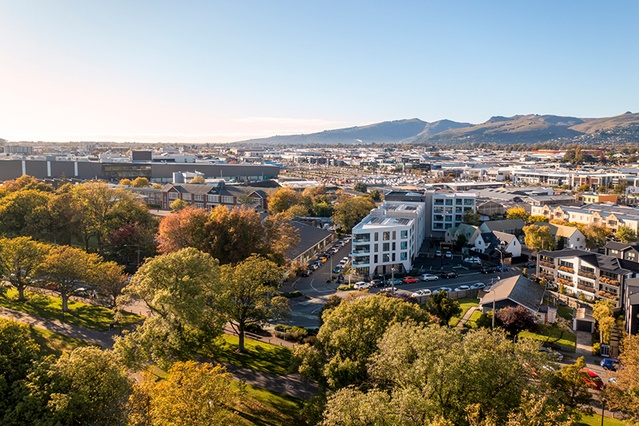
Rānui Apartments shows how this works. Working with Higgs Construction over nine years for the Bone Marrow Cancer Trust, we delivered 43 apartments within a $18.9m budget using just three repeated apartment types. Modular efficiency meant faster construction, less waste and predictable costs.
Managing it as Design-Build let the team sidestep the supply chain chaos that derailed other post-pandemic projects, meeting the November 2024 opening.
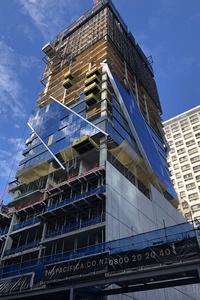
The pattern holds across different residential building types. The Pacifica, New Zealand’s tallest residential high-rise at 178 meters in Auckland, required tight coordination between competing floor-to-floor heights and servicing strategies. Bringing Icon Construction in early meant structural challenges got solved before they became expensive retrofits. They introduced a Jump Form system new to New Zealand that let the core and floors be built in stages with precision.
The site sat on reclaimed land with a high water table, making a traditional basement risky. Design-Build meant we could pivot — parking went into the podium levels wrapped in commercial space instead. These aren’t compromises you make after the fact. They’re solutions you find when builders flag problems early and architects still have flexibility to respond. That’s how you prevent expensive variations.
Hotels present different opportunities. With Safari Group, we’ve developed a shared Design-Build methodology over six projects. Our designers work directly with their construction team throughout, which means fewer surprises and faster decisions. We focus on modular ayouts — repeated apartment types that control costs while we tailor the specifics to their Dual-Key model. The standardisation means they can predict costs and timelines with confidence.
Standardised industrial and warehouse developments suit Design-Build well. When contractors know the building type inside-out, they price accurately and deliver faster. We delivered three warehouses across Auckland for National Storage Centre — Manukau, Ellerslie and Albany — housing over 1,700 storage units. Utilitarian work, yes, but no reason it can’t contribute positively to the street. We’re currently working with builders on four more industrial projects in the North Island.
Why now?
The building industry carries weight that doesn’t always show in spreadsheets. Material costs swing, supply chains break and the pressure lands on people — their health, their wellbeing, the quiet stress that comes with constant uncertainty.
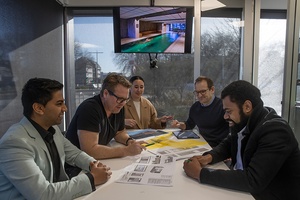
Design-Build doesn’t fix everything, but it redistributes risk more sensibly. Engaging builders before designs lock in means you can identify efficiencies early, resolve coordination in the computer rather than on site and lock pricing before the market shifts again.
Experience and judgment — from both architects and contractors — will matter more as the industry evolves, not less. Technology helps, but it’s people who define quality outcomes.
When design thinking and construction expertise work together, better projects emerge. That collaboration shouldn’t be exceptional — it should be standard. The shift is happening.