Viewfinder: Six of the best with Masano Kawana
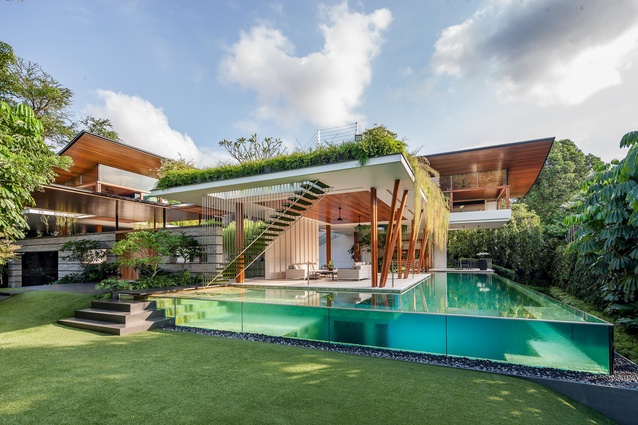
The Coral House (Singapore) ― Architecture by Guz Architects
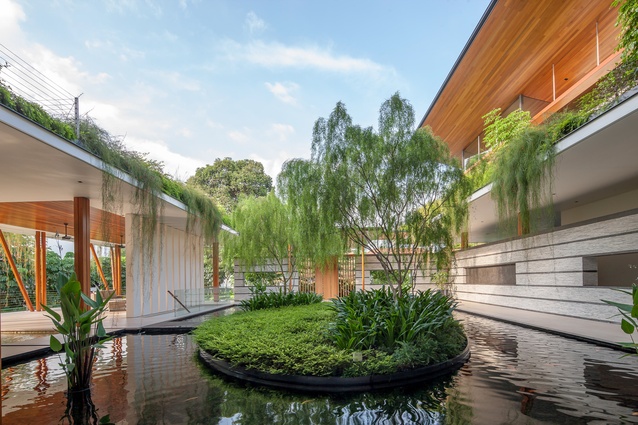
The Coral House (Singapore) ― Architecture by Guz Architects
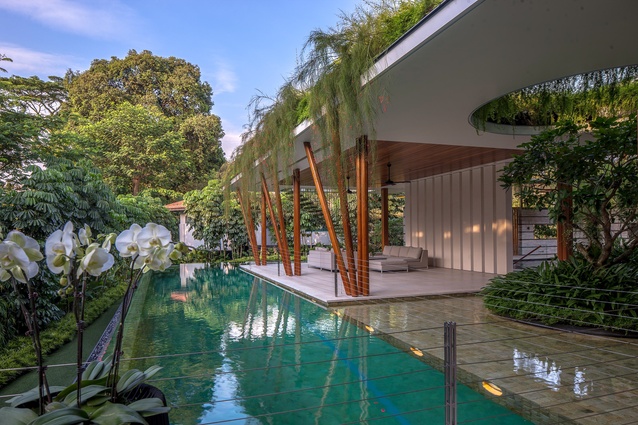
The Coral House (Singapore) ― Architecture by Guz Architects
The Coral House (Singapore) ― Architecture by Guz Architects
The Coral House (Singapore) ― Architecture by Guz Architects
GHM Portfolio (The Chedi Muscat, etc.) ― Architecture by Kerry Hill / Jaya Ibrahim
GHM Portfolio (The Chedi Muscat, etc.) ― Architecture by Kerry Hill / Jaya Ibrahim
GHM Portfolio (The Chedi Muscat, etc.) ― Architecture by Kerry Hill / Jaya Ibrahim
GHM Portfolio (The Chedi Muscat, etc.) ― Architecture by Kerry Hill / Jaya Ibrahim
Mandai Rainforest Resort (Singapore) ― Architecture by WOW Architects
Mandai Rainforest Resort (Singapore) ― Architecture by WOW Architects
Mandai Rainforest Resort (Singapore) ― Architecture by WOW Architects
Mandai Rainforest Resort (Singapore) ― Architecture by WOW Architects
Mandai Rainforest Resort (Singapore) ― Architecture by WOW Architects
Mandai Rainforest Resort (Singapore) ― Architecture by WOW Architects
Mandai Rainforest Resort (Singapore) ― Architecture by WOW Architects
Mandai Rainforest Resort (Singapore) ― Architecture by WOW Architects
A Villa in Bali (East Bali, Indonesia) Gianni Francione / GM Architects
A Villa in Bali (East Bali, Indonesia), Gianni Francione / GM Architects
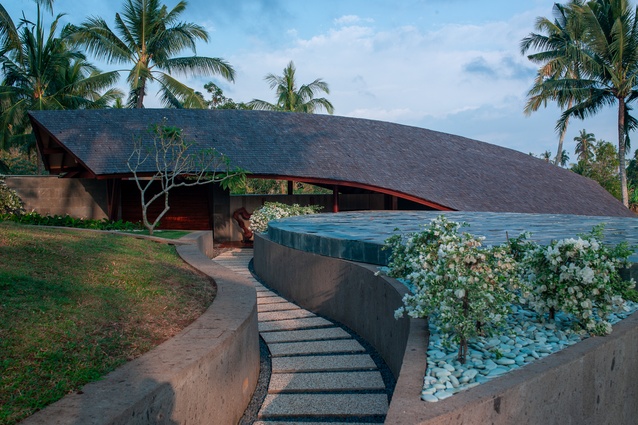
A Villa in Bali (East Bali, Indonesia), Gianni Francione / GM Architects
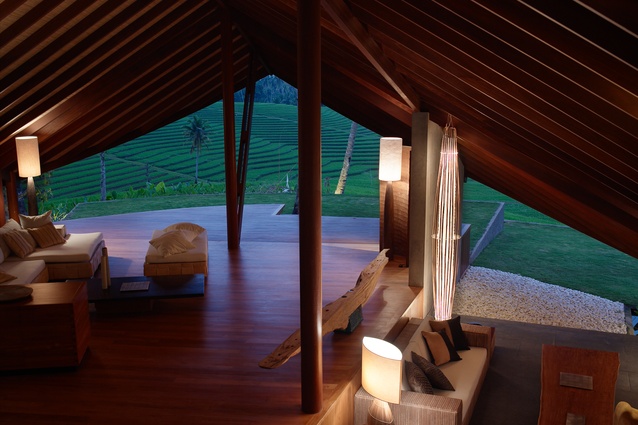
A Villa in Bali (East Bali, Indonesia), Gianni Francione / GM Architects
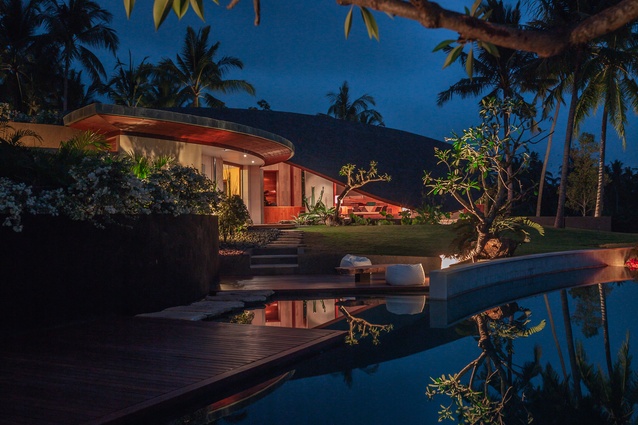
A Villa in Bali (East Bali, Indonesia), Gianni Francione / GM Architects
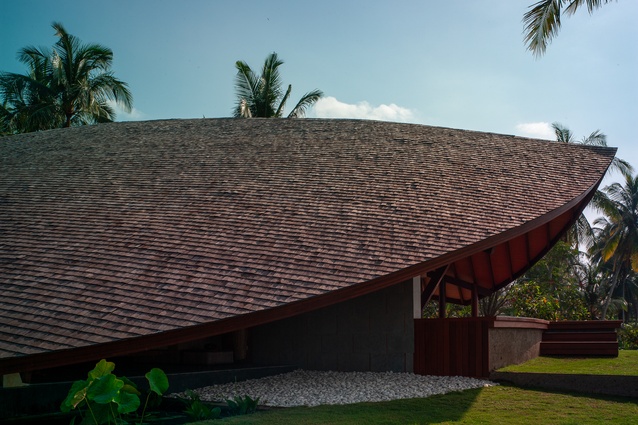
A Villa in Bali (East Bali, Indonesia), Gianni Francione / GM Architects
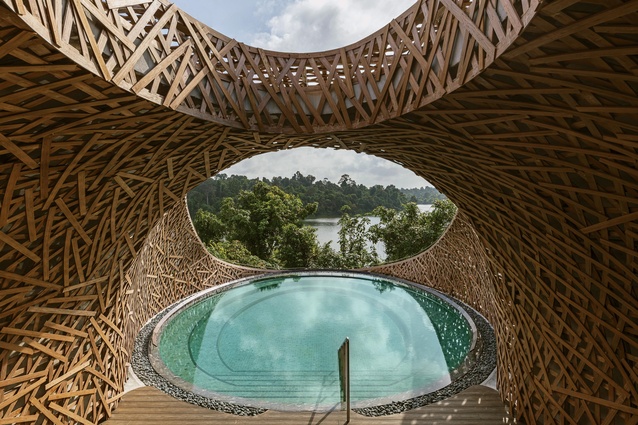
Mandai Rainforest Resort (Singapore) ― Architecture by WOW Architects
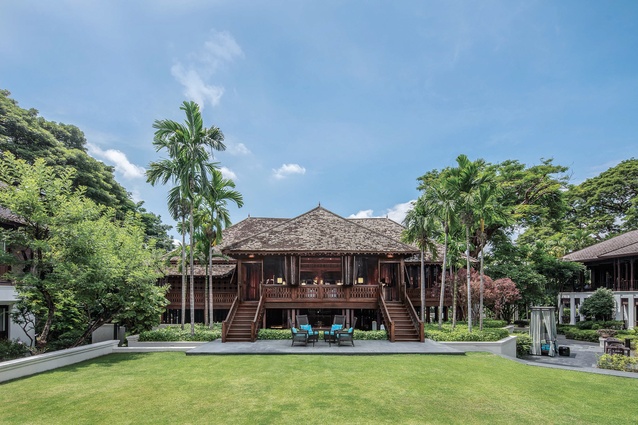
137 Pillars House (Chiang Mai, Thailand),Habita Architects with interiors by P49 Deesign & Associates
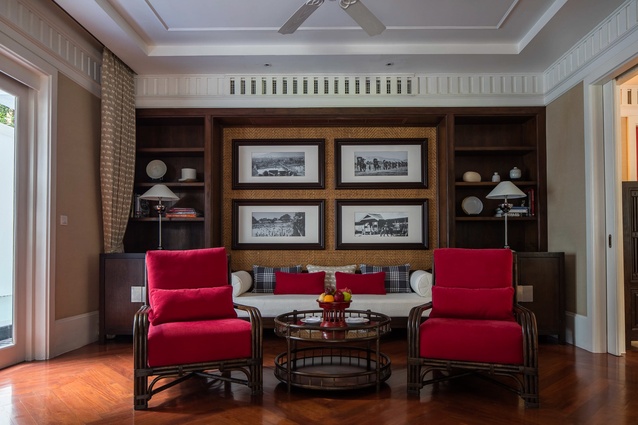
137 Pillars House (Chiang Mai, Thailand),Habita Architects with interiors by P49 Deesign & Associates
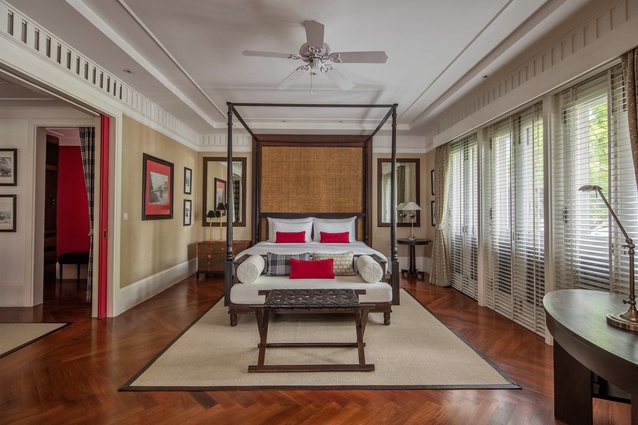
137 Pillars House (Chiang Mai, Thailand),Habita Architects with interiors by P49 Deesign & Associates
137 Pillars House (Chiang Mai, Thailand),Habita Architects with interiors by P49 Deesign & Associates
137 Pillars House (Chiang Mai, Thailand),Habita Architects with interiors by P49 Deesign & Associates
Batangas House (Philippines) ― Architecture by Archipelago Architects
Batangas House (Philippines) ― Architecture by Archipelago Architects
Batangas House (Philippines) ― Architecture by Archipelago Architects
Batangas House (Philippines) ― Architecture by Archipelago Architects
Batangas House (Philippines) ― Architecture by Archipelago Architects
Batangas House (Philippines) ― Architecture by Archipelago Architects
After 26 years abroad, Japanese–Kiwi photographer Masano has returned to New Zealand, bringing with him a portfolio shaped across Asia and the Middle East, and a reputation for photographing luxury homes and hotels.
How did you get started with photography? Did you always have an interest in architecture and buildings or has that evolved over time?
I started photography simply as a way to record the spaces and environments around me. My interest in architecture wasn’t planned; it evolved naturally through my experiences and the people I met.
Between 1985 and 1998, I lived in New Zealand, where I shot for Cuisine magazine and worked on Annabel Langbein’s first cookbook. Back then, my focus was primarily on food and close-up interiors. At the same time, I traveled across the country shooting landscapes for stock photography and working as a location scout for international TVCs and films. Learning from film Directors of Photography during those travels taught me so much about the behaviour of light.
When I moved to Singapore, I was exposed to sophisticated tropical architecture and had the chance to work with visionaries like the late Kerry Hill and Jaya Ibrahim. That experience deepened my focus on how light, materials, and space affect the human experience. Today, whether I’m shooting architecture, hotels, or food, my goal is always the same: to capture the “atmosphere” and the “experience.”
What is your approach to capturing a space? What is the secret to conveying the feeling of being there?
I don’t start shooting immediately. I spend time just being in the building, watching how the light moves and waiting for the right moment. The secret isn’t in the camera; it’s in the waiting. It’s about feeling the humidity, the warmth of the wood, or the wind on the water. I wait for the architecture to “breathe.” Sometimes I wait hours just for ten minutes of perfect light. That is how you make someone feel like they are standing there with you.
How do you stay inspired outside of work?
I look at nature, especially the ocean. Since returning to Aotearoa, I enjoy exploring the coastlines and forests. I love the sea—while I don’t chase “big waves” anymore, I still go surfing. Being out there, floating on the water, is often where my best inspiration comes from. Nature is the ultimate architect, and the light here in New Zealand is so different from Asia; it is raw, honest, and constantly changing.
I also find hints for my work in everyday life: the quiet streets, the way natural light hits a wall, travel, and good food. I’m deeply influenced by fields outside of architecture, such as movies and art. I am always fascinated by how a great film can tell a powerful story through light and shadow, without needing many words.
Are there any projects or types of projects that you would love to photograph?
I love buildings that show the honesty of their materials, concrete, wood, and stone. I am particularly drawn to architecture that responds to its climate and environment, creating a sense of stillness, much like the Batangas House in the Philippines.
I want to work with New Zealand architects who care about how their buildings sit within the landscape, whether it is a small coastal home or a larger boutique resort. It doesn’t matter the scale; I just want to shoot spaces that feel “real” and authentic. I’m looking forward to bringing my experience from Asia to the honest architecture being born here in Aotearoa.
Selected Projects
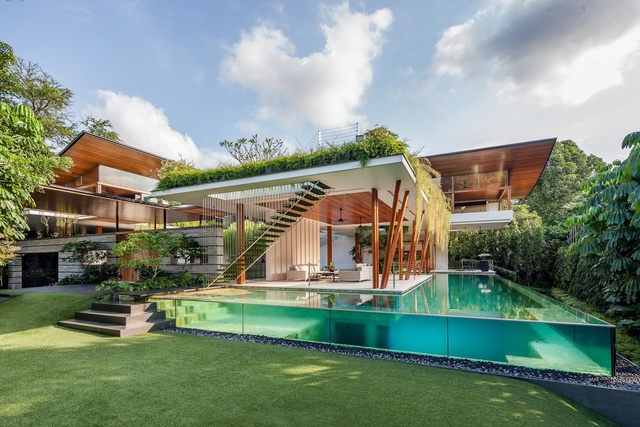
The Coral House (Singapore) ― Architecture by Guz Architects
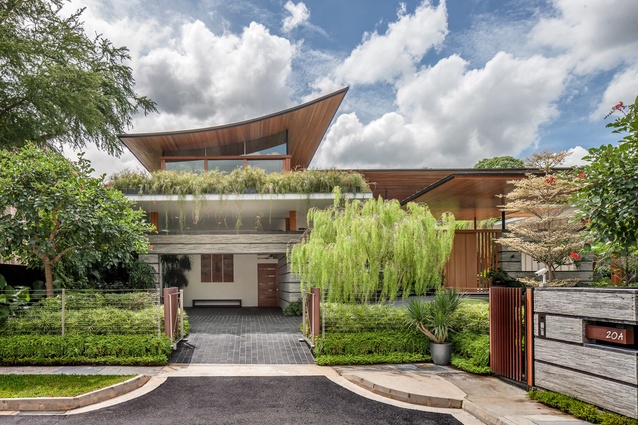
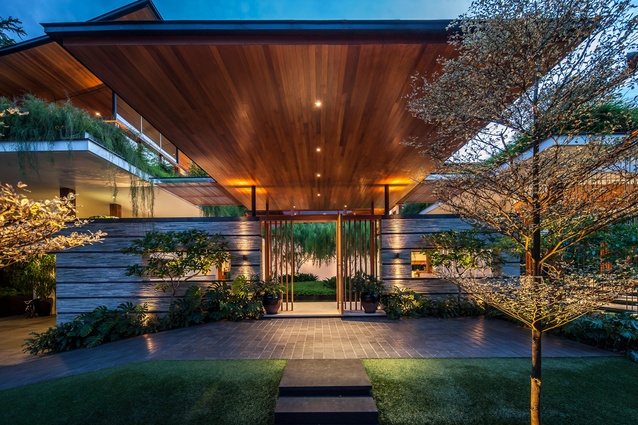
This project was featured on the cover of Sustainable Luxury, one of two books I co-authored with Dr. Paul McGillick (former Editorial Director of Habitus and Indesign). The design by Guz Architects is a masterful expression of tropical sanctuary. My goal was to capture how the boundaries between nature and architecture dissolve―specifically how the transparent pool wraps around the house and how the rooftop gardens allow nature to permeate every level. It is a study in how “enclosed rooms” can dematerialize through cross-ventilation and natural materials.
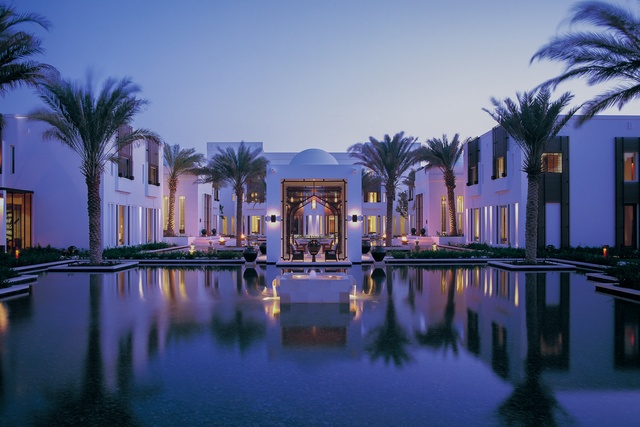
GHM Portfolio (The Chedi Muscat, etc.) ― Architecture by Kerry Hill / Jaya Ibrahim
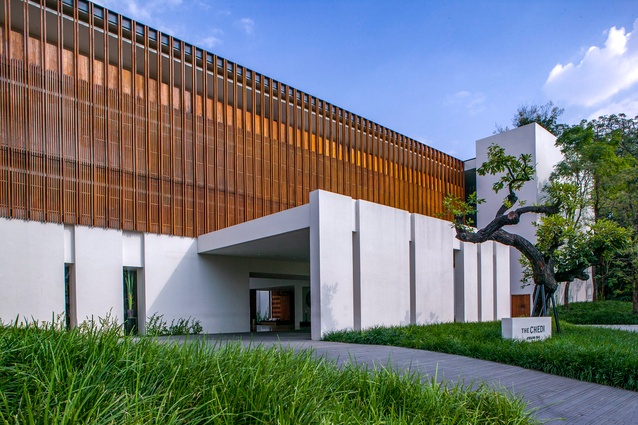
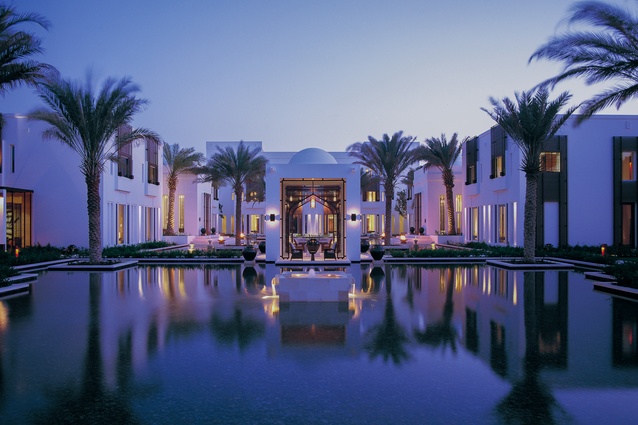
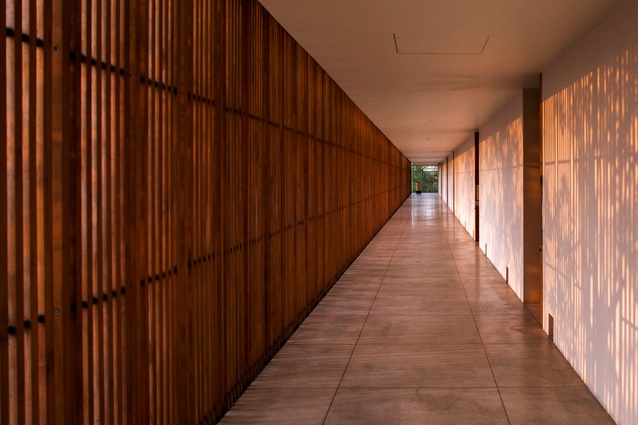
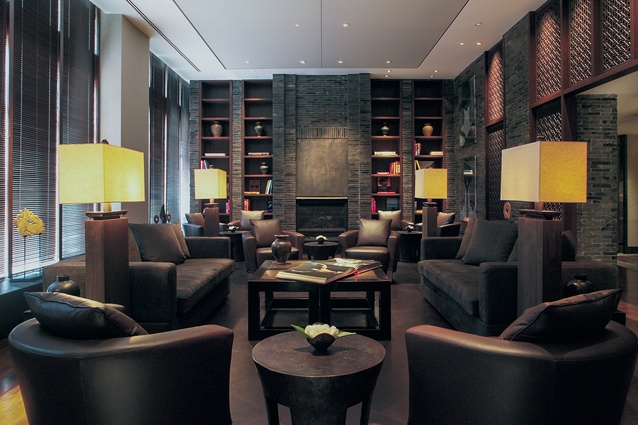
My career is deeply rooted in the GHM hotel group, the “second baby” of Aman founder Adrian Zecha. I was intimately involved in their pre-opening photography across Asia, Miami, and Oman. Working on-site during the final stages of construction, I often collaborated with the staff of the late Kerry Hill and interior designer Jaya Ibrahim. Learning their philosophies firsthand―such as the precision of symmetry in The Lalu or Chedi Chiang Mai―shaped my own visual language. I remember the Oman shoot vividly; it was the off-season, and the outdoor temperature reached 45°C, requiring extreme discipline to capture the characteristic “stillness” of their architecture.
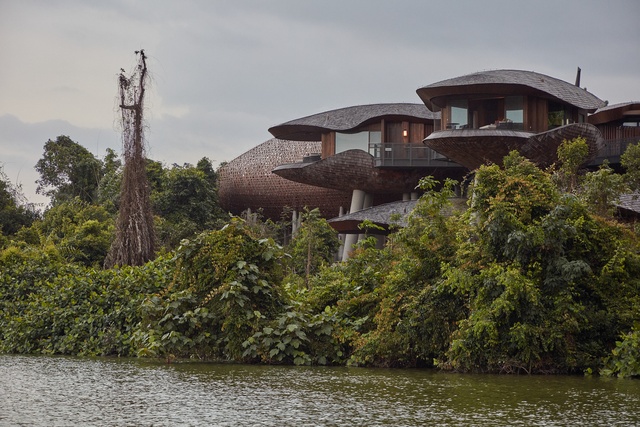
Mandai Rainforest Resort (Singapore) ― Architecture by WOW Architects
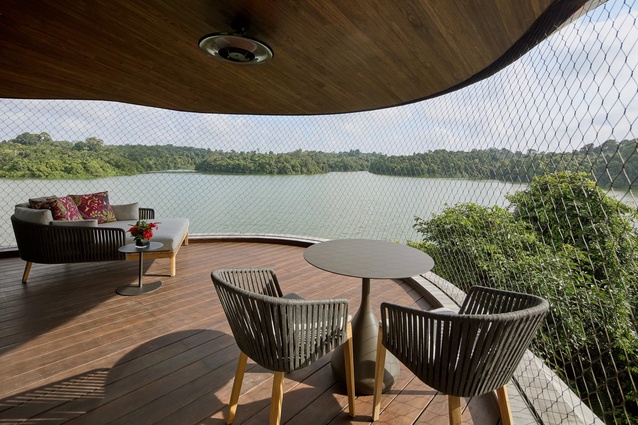
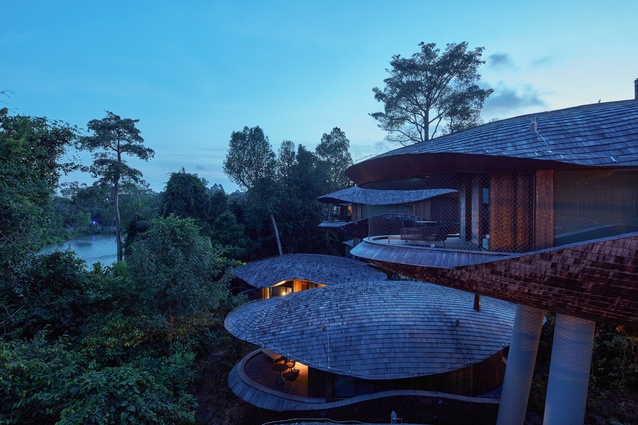
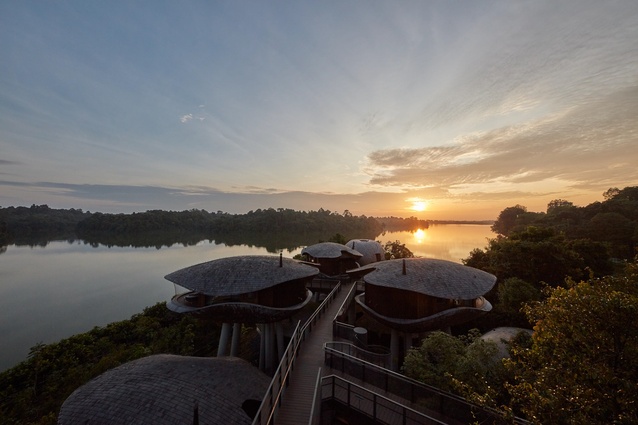
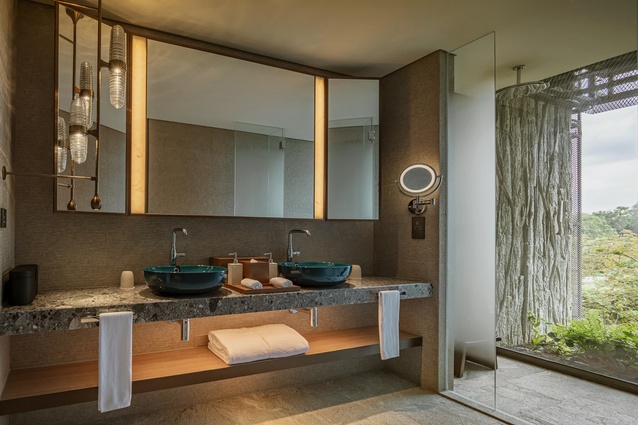
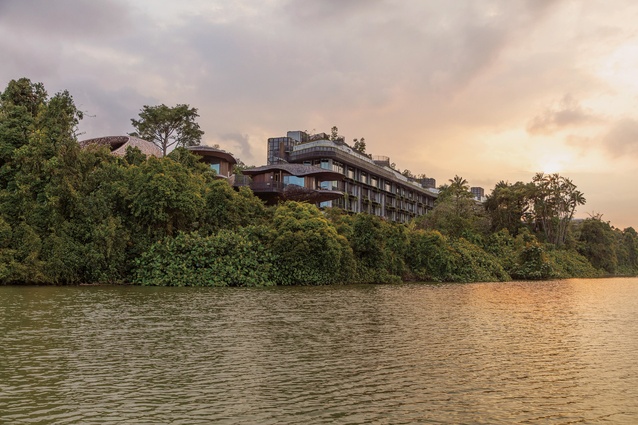
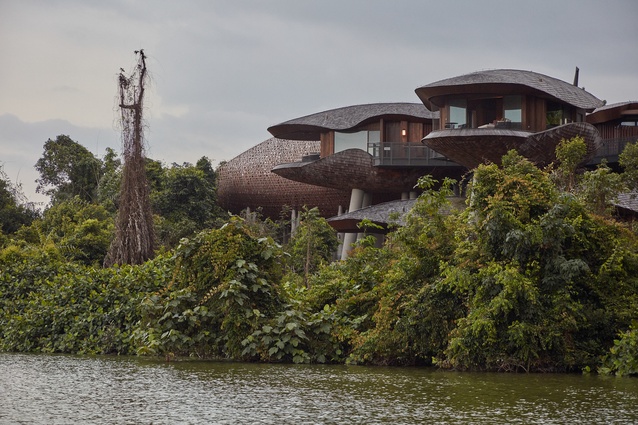
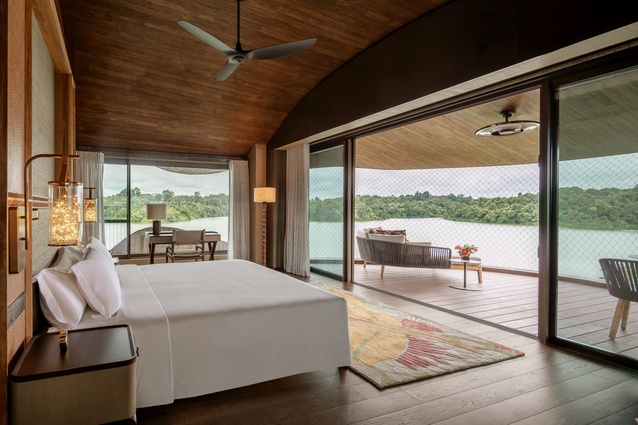
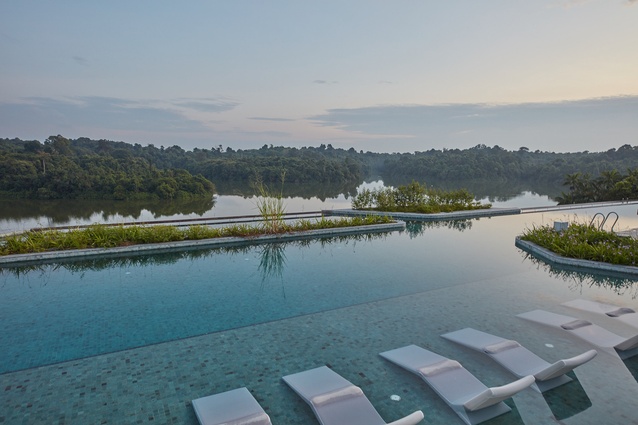
This is the first Banyan Tree Group resort in Singapore. During the three weeks I lived on-site for the pre-opening shoot, I navigated active construction zones to find completed segments. This extended stay allowed me to observe the property under every possible light and at all hours. Since it’s located within a National Park where drones are prohibited, I worked closely with park authorities to photograph this unique, biophilic architecture from a boat on the water, offering a perspective rarely seen.
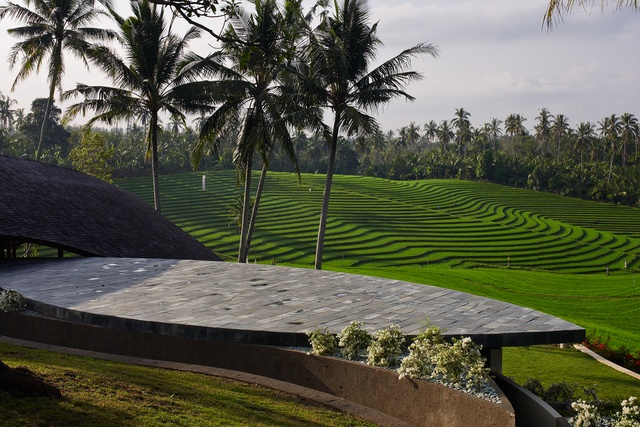
A Villa in Bali (East Bali, Indonesia)
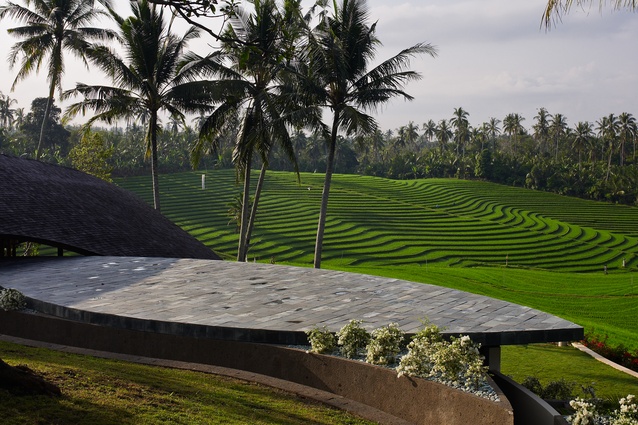
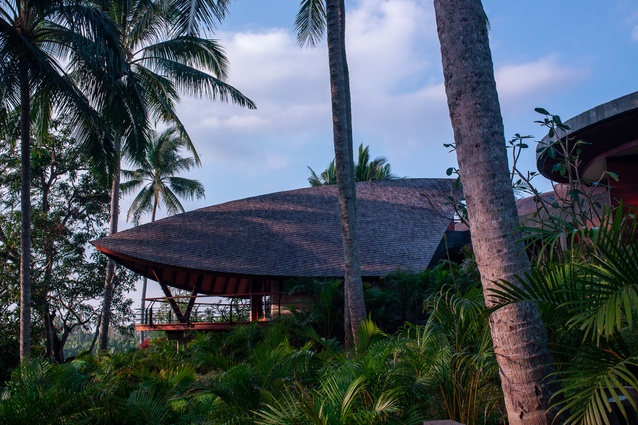
Featured in the book Bali Living, this residence is situated in the “middle of nowhere” in East Bali, completely surrounded by emerald rice terraces. In this shoot, I focused on the “Atmosphere”―the contrast between the interior’s warm timber glow and the vibrant, layered greens of the landscape. It captures the essence of modern Balinese architecture: a feeling of being protected by a structure while remaining spiritually connected to the earth.
137 Pillars House (Chiang Mai, Thailand)
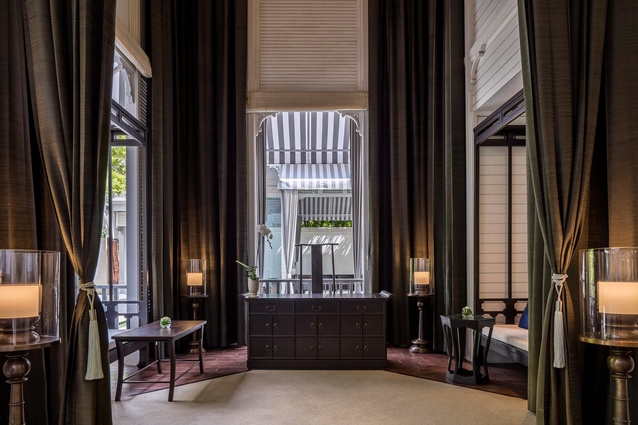
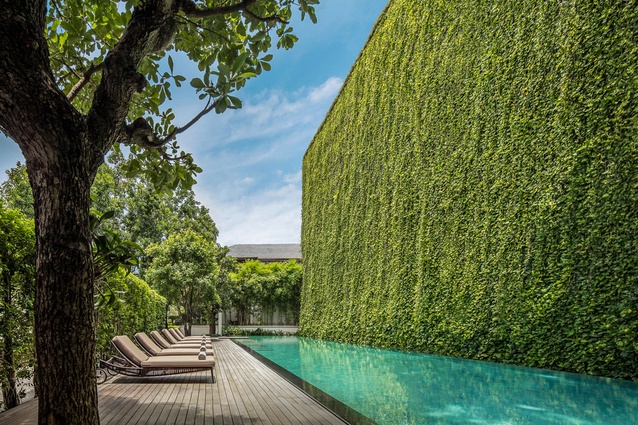
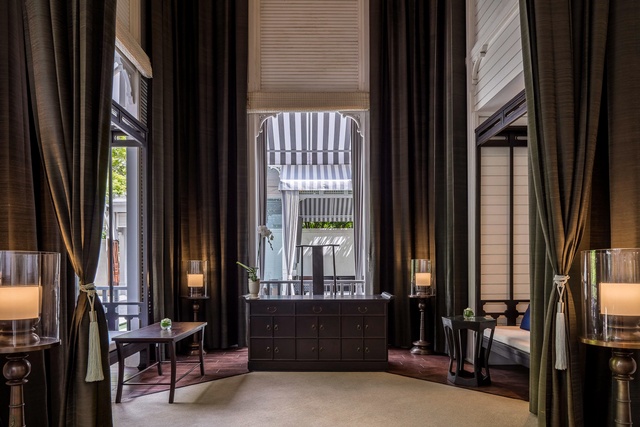
The heart of this boutique hotel is a 19th-century teak structure that served as the headquarters for the Borneo Company. Its name comes from the 137 pillars that support the house―a traditional Thai symbol of wealth and status. My photography focuses on the dialogue between the deep “black” of the aged teak and the sharp “light” of the Chiang Mai sun. It was an experience of conversing with history, documenting how a decaying heritage site was reborn as a sanctuary of luxury.
Batangas House (Philippines) ― Architecture by Archipelago Architects
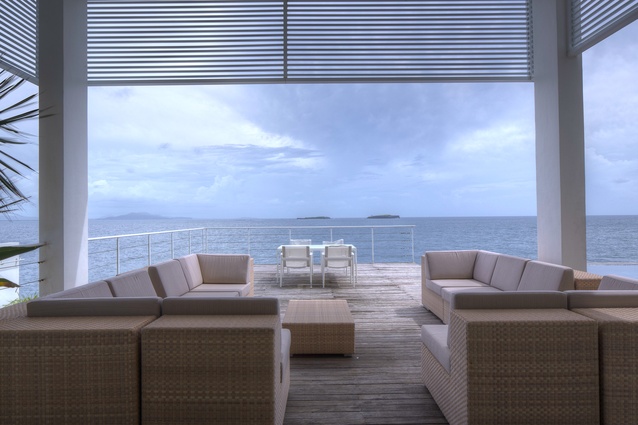
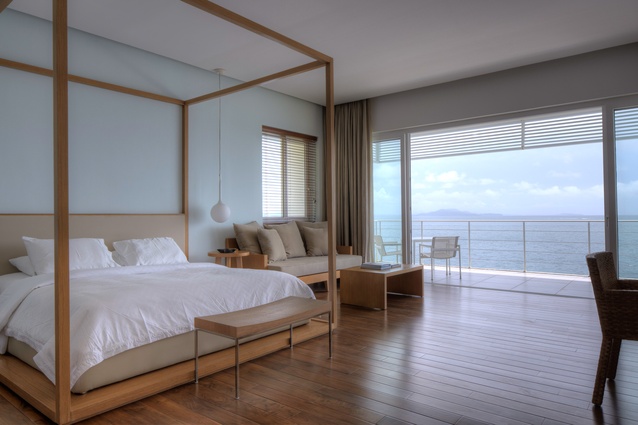
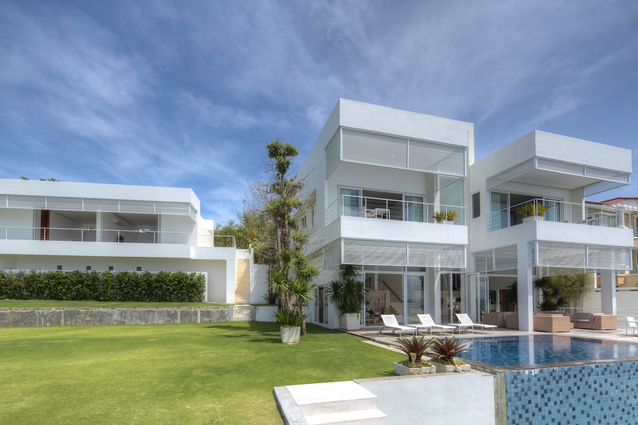
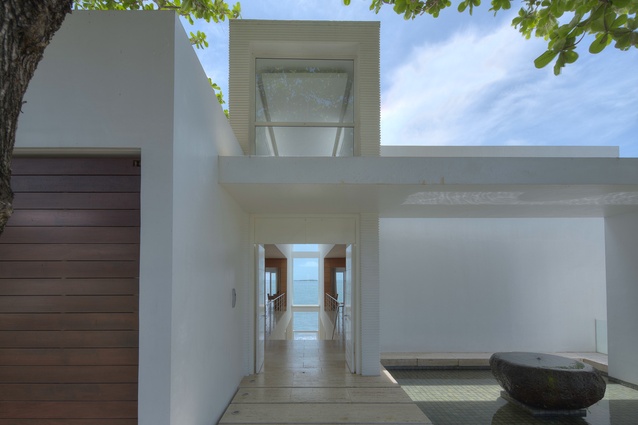
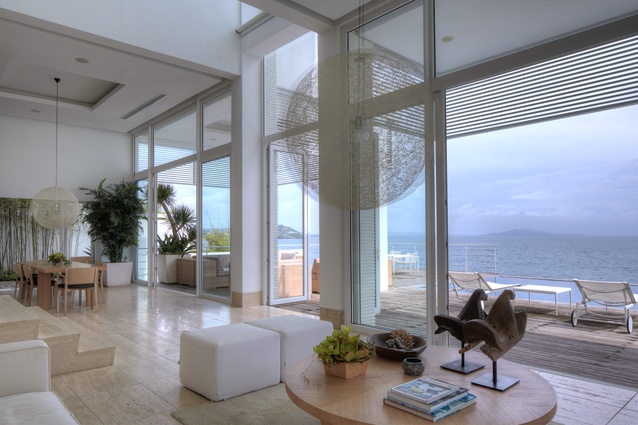
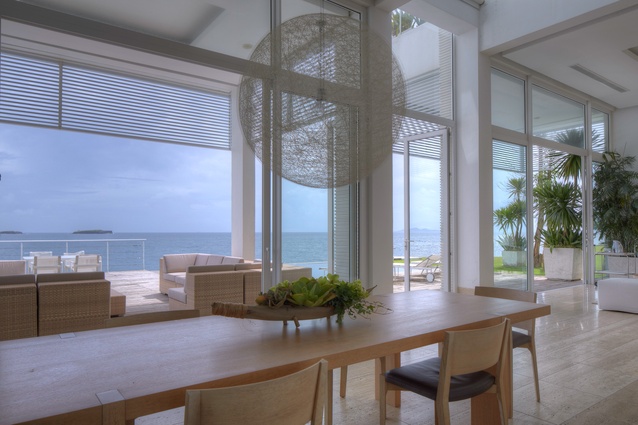
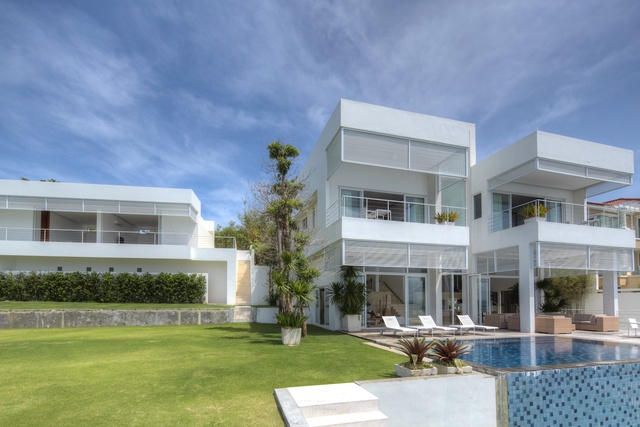
Another collaboration with Dr. Paul McGillick for our architectural books. The experience was unforgettable: the architect picked me up in his private helicopter from a skyscraper in central Manila, and we flew to the coastal site in Batangas. Watching the Philippine landscape shift from urban chaos to rural beauty from the air set the tone for the shoot. The house itself is a minimalist response to the rugged topography of Punta Fuego, where crisp white modernist forms create a sharp contrast against the azure horizon of the South China Sea.