Slow Down: The 2025 Copenhagen Architecture Biennial
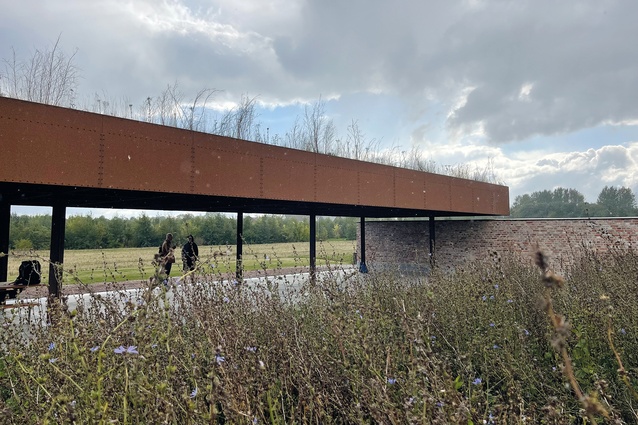
The first permanent structure on the Råängen site is Hage, a walled public garden, designed by Brendeland & Kristoffersen and Price & Myers, around which a new neighbourhood will grow.
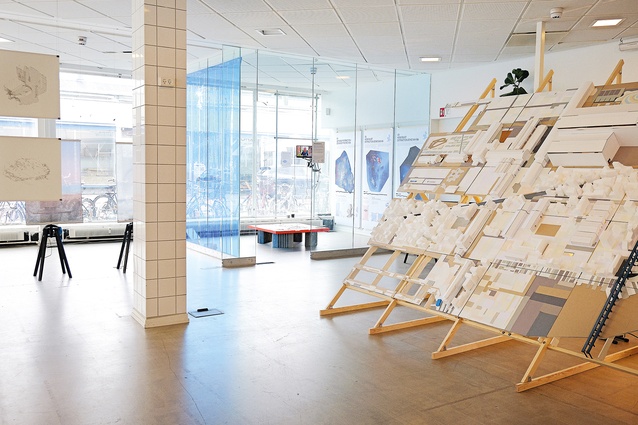
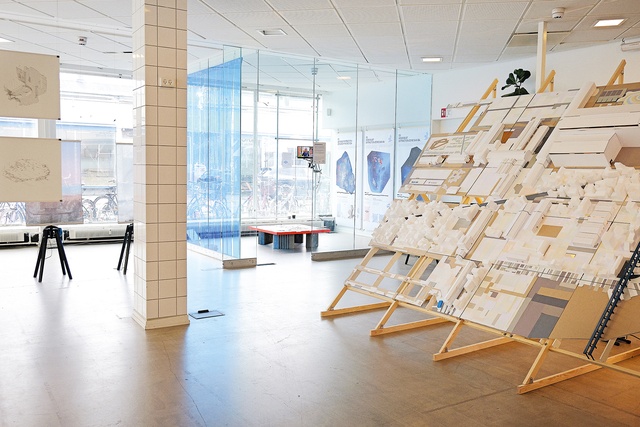
The Biennial exhibition, themed Slow Down and curated by the Copenhagen Architecture Forum, explores silence, slowness and resilience in architecture.
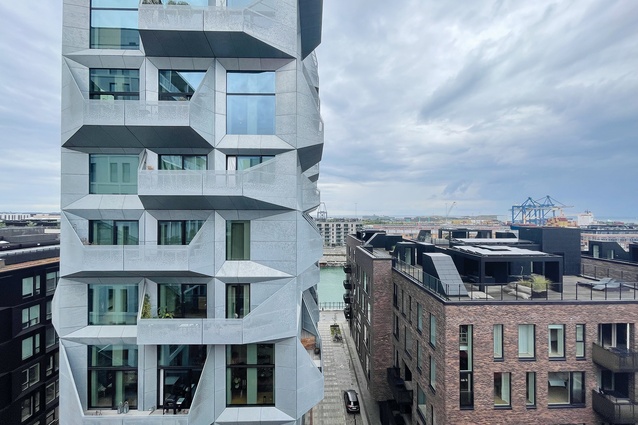
Once the industrial port of Copenhagen, Nordhavn is now a thriving, people-centred district. Many existing buildings and structures have been retained and repurposed, such as this former grain silo by Cobe.
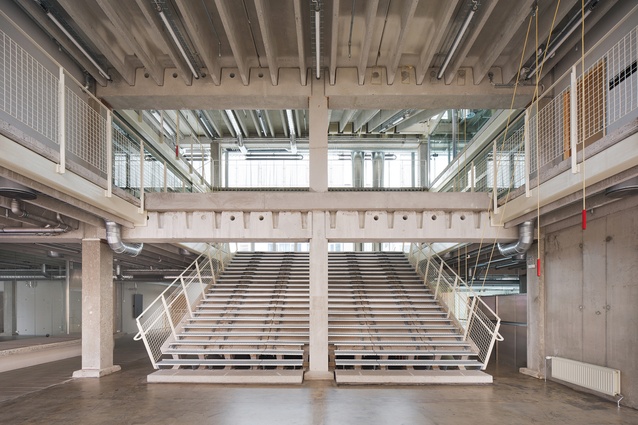
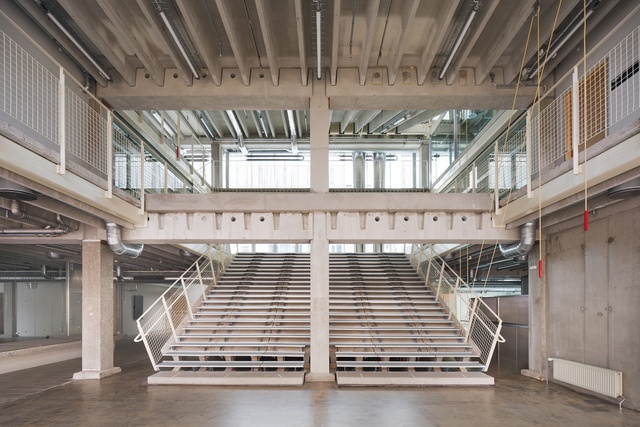
Thoravej 29, by pihlmann architects, has set the benchmark for adaptive re-use, reducing waste by reusing the building’s existing materials and creating great architecture in the process.
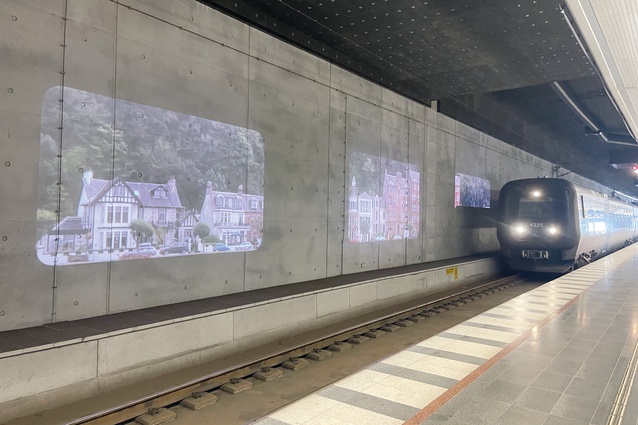
At Malmö Central Station, a monumental work of video art is projected directly onto the concrete walls with 46 linked images giving the illusion of being in a moving train. No advertising billboards here, just slow, silent art.
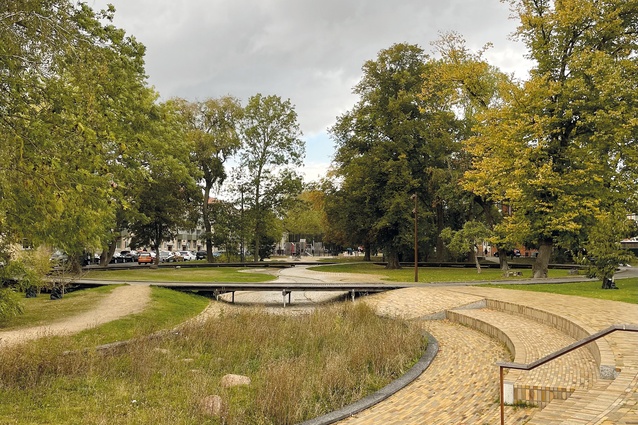
Schønherr’s Karens Minde Aksen is an urban renewal project that combines rainwater retention with new urban spaces to solve challenges of flooding, biodiversity and social inequality.
President of Tuia Pito Ora New Zealand Institute of Landscape Architects Ralph Johns reflects on the importance of slowing down and thinking deeply.
I am standing in a grassy field on the outskirts of Lund, Sweden, with my friend Jake, a partner at White Arkitekter in Malmö. A rainstorm has just passed through, squally showers giving way to bright sun. Bees are humming among the wildflowers, and the thrushes and blackbirds have started singing. A large hare bounces out of the woods towards us while, overhead, a flock of geese honks in vee formation. The slow daily rhythms of nature have been playing out on this patch of gently rolling farmland in much the same way for thousands of years, even before the imposing sandstone structure of Lund Cathedral, to whom this land belongs, was consecrated in 1123.
A tram glides noiselessly along the field’s edge; behind it a large, low, white circular building gleams in the sunlight. Inside, hundreds of scientists are overseeing experiments in which electrons are sent spinning around at the speed of light then smashed into things. The MAX IV synchrotron particle accelerator sits in the landscape like a contemporary Cathedral, technological progress of the Great Acceleration: the continuous surge of human activity and impact on the planet that’s been going on since the 1950s and always speeding up.
Time, Money, Land and God are the four key themes for Råängen,1 a new neighbourhood of Lund, designed to take shape, purposefully, on this ten-hectare patch of the Cathedral’s farmland estate. The programme for this remarkable project takes a two-thousandyear view with a curatorial framework, looking back over one thousand years of myth and craftsmanship to the present, and then looking forward a thousand years to contemplate a community that is built and sustained over multiple generations. Unlike the average development, this is a steady, deliberate, iterative and artful process that has done some deep thinking on what it means to live on and care for the land in a way that can be sustained in a post-carbon future. By building intentionally and densely upon this small site, the rest of the Cathedral’s farmland will remain in food production, improving soil, building biodiversity and providing spaces for the community.
Later, at Jake’s apartment in Malmö, we talked more about the project and he explained that the first homes will be built around Hage, the public garden we stood in, and designed by dynamic Barcelona duo Flores & Prats. The Tower and Corner House will be a loose cluster of buildings with the gaps between them farmed to maintain connections to the agricultural context. The next plots, entrusted to a diverse group of talented architects, are intended to establish the quality, scale and character of the new neighbourhood. Jake introduced me to the book Slow Down: How Degrowth Communism Can Save the Earth, by Japanese philosopher Kohei Saito: a text that has informed some of the thinking on Råängen. Saito’s provocative writing has also had a big influence on the theme of the 2025 Copenhagen Architecture Biennial,2 which was happening while I was in the city.
Like most urbanists, I find Copenhagen inspiring on many levels, not least the city’s proactive approach to planning, designing and investing in projects that will benefit future generations. Recent initiatives include an ever-growing cycling network, low-carbon, adaptive re-use of existing buildings (e.g. Thoravej 29, by pihlmann architects3), urban parks and infrastructure that mitigate flooding (e.g. Karens Minde Aksen, by Schønherr) and high-density, car-free, residential communities on former industrial sites (e.g. Nordhavn masterplanned by Cobe). Copenhagen is constantly preparing for a more sustainable future while satisfying the current needs by engaging with its citizens. But, as inspiring as all this is, there are many Danish architects and thinkers advocating for a more radical approach to city development; it includes a call for ‘Byggestop’, which is to stop construction and only reuse what exists. The Biennial has created space for conversations about a slower, regenerative approach to architecture and urban development.
Josephine Michau, the festival’s curator, writes that the theme, Slow Down, “investigates architecture as matters of time and means of slowing down overheated sites, cities and societies. Cooling in the shadows of the great acceleration — a century of an unprecedented upsurge in population, global GDP, energy use and use of natural resources — we set out to imagine what a great deceleration of the global system might look like, feel like, and sound like.”
In 2023, the UIA World Congress of Architects came up with 10 principles for a rapid and radical change in the built environment to reach the UN’s 17 Sustainable Development Goals (SDGs). The ‘Copenhagen Lessons’4 have encouraged architects, planners, designers and the public to rethink the built environment through circular design, adaptive re-use, slower construction and other resourceconscious building practices. “The architecture of the 21st century will be an architecture of the slow,” says Michau. “The key question is, will this slowing be forced upon us or will it be deliberate?”
Back in Aotearoa, we need to make sure we can live here for a thousand more years by ensuring that we look after the land, water, air and ocean so that the environment can sustain us. We can’t keep developing at this pace, building faraway suburbs on productive soils, demolishing old buildings to build new ones, constructing motorways we don’t need and can’t afford, mining our outstanding landscapes, intensifying farmland and polluting our rivers. We really need to have a conversation about slowing down and thinking deeply about what we want for the people and environment of Aotearoa in the long term. Future generations need us to do much more and consume much less. We need to slow down.
References
1. whitearkitekter. com/se/projekt/ raangen-lund/
2. cafx.dk/
3. pihlmann. dk/project/ thoravej-29
4. uia2023cph.org/