Jade Kake joins the 2026 Interior Awards jury
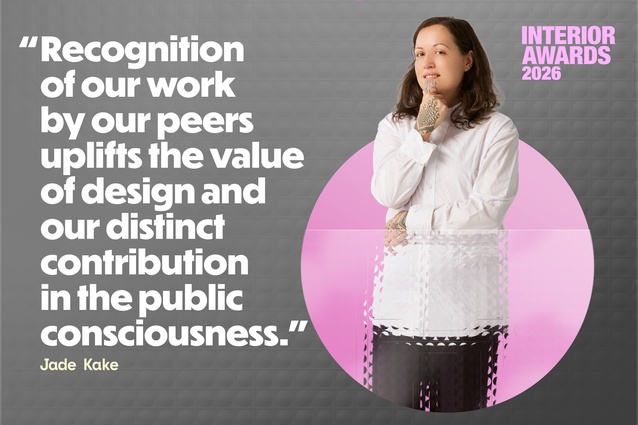
Jade Kake, of Matakohe Architecture + Urbanism, joins this year’s Interior Awards jury.
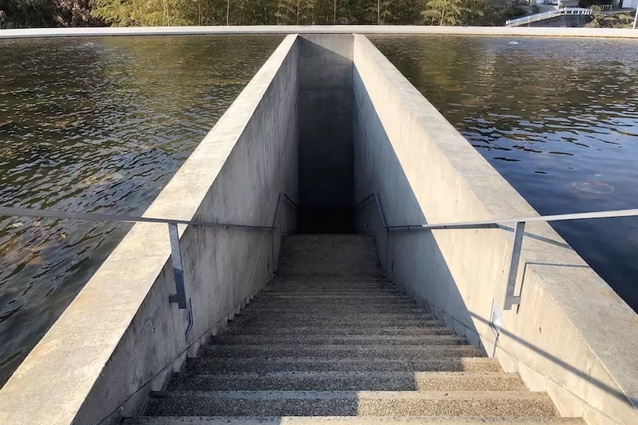
Honpukuji (the Water Temple), a Buddhist temple designed by Tadao Ando on Awaji Island in Japan.
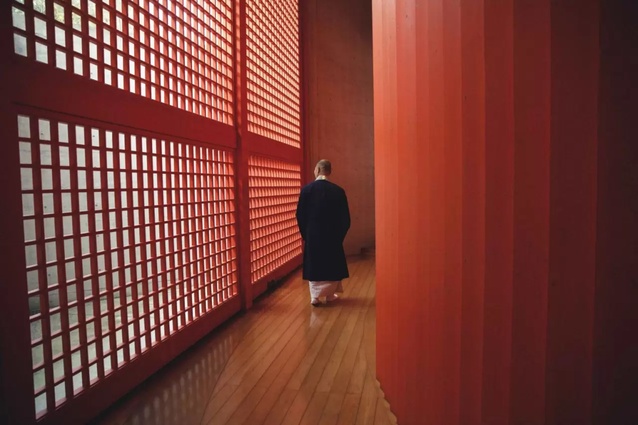
Honpukuji (the Water Temple) on Japan’s Awaji Island, a Tadao Ando-designed Buddhist temple.
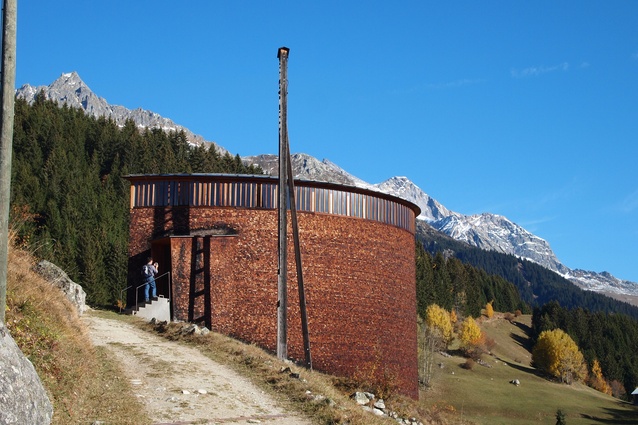
Peter Zumthor’s St Benedictine Chapel in Sumvitg, Switzerland.
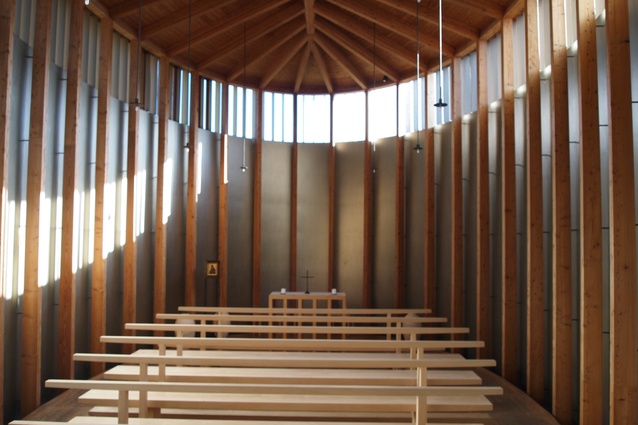
Peter Zumthor’s St Benedictine Chapel in Sumvitg, Switzerland.
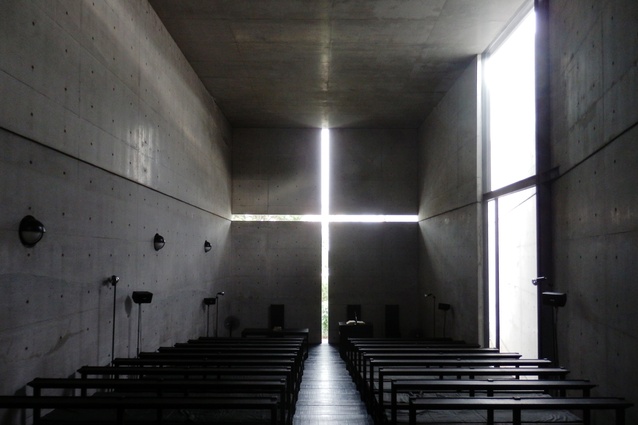
Tadao Ando’s Church of Light in Ibaraki, Japan.
Joining this year’s Interior Awards jury, Jade Kake is the founder of Matakohe Architecture + Urbanism and a part-time lecturer at Huri Te Ao, the School of Future Environments at Te Wānanga Aronui o Tāmaki Makau Rau Auckland University of Technology.
Jade is an architect, academic and writer of Māori and Dutch descent, with tribal affiliations to Ngāpuhi, Te Whakatōhea and Ngāti Whakaue. Alongside her practice at Matakohe Architecture + Urbanism and her academic work, Jade has written two books: Rebuilding the Kāinga: Lessons from Te Ao Hurihuri and Rewi: Āta haere, kia tere, co-authored with Jeremy Hansen.
Do you have a favourite interior?
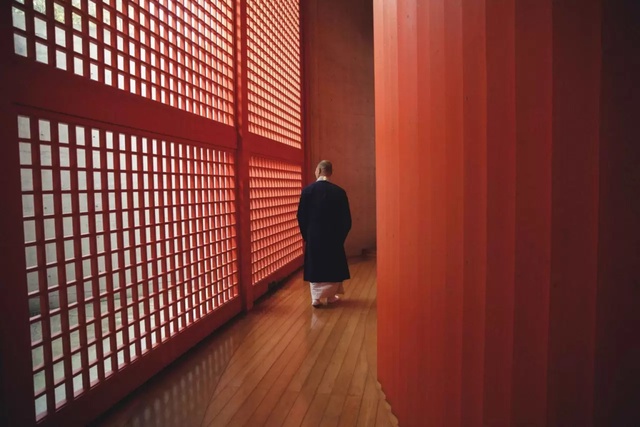
One of my favourite interior spaces is the womb-like Honpukuji (the Water Temple), a Buddhist temple designed by Tadao Ando on Awaji Island in Japan. The warm, red colours, controlled use of light and the contrast between the precast concrete primary structure and the timber screens and flooring in the interior create a unique sensory experience. When I visited the temple in 2008, after descending the stairs I sat in contemplative silence, feeling like a very small stone at the bottom of a pond. Peter Zumthor’s St Benedictine Chapel in Sumvitg, Switzerland and Tadao Ando’s Church of Light in Ibaraki, Japan, are two other international examples of spiritual architecture that come to mind.
The controlled use of light and careful material selection from a limited palette focus the mind and are conducive to cultivating a spiritual relationship. I am reminded of photographs I have seen and descriptions I have heard of Te Miringa Te Kakara, a cruciform house and traditional whare wānanga of Tainui that was located near Tīroa and Maniaiti in the Waikato. Traditionally, as Māori, much of our learning and spiritual contemplation (which were inseparable with regards to the sacred or esoteric nature of much of our knowledge) were undertaken at night, in the winter months, and in dark spaces with limited natural light. Those spaces were dark and cool, often with natural floors, and the natural timber and fibre materials also had a strong sensory aspect.
Is there a designer that you particularly admire?
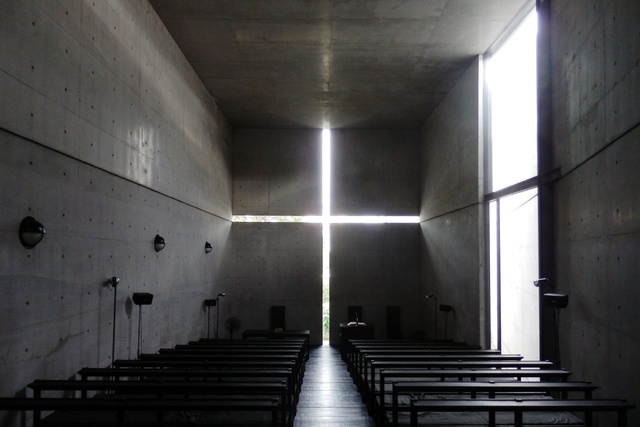
I am a huge fan of Tadao Ando. I remember reading an interview where he discussed at length his motivations and interests in architecture. Ando is from Osaka, Japan and although he has completed projects all over the world and around Japan, he is really a hometown architect at heart, with a commitment to improving the lives of the people in his hometown of Osaka through architecture. That is the kind of architect I aspire to be for Whangārei and Te Tai Tokerau.
What would be your dream interior project?
My dream interior project would be a whare wānanga, constructed using traditional methods and materials such as tōtara, raupō and toetoe. It would be a meaningful collaboration with carvers, weavers and knowledge holders, and would support the revitalisation of our cultural practices. I would also love to design facilities for puna waiwera (hot springs) for bathing, rongoā (traditional holisitc healing) and hauora (health and wellbeing) practices. For both, it is an opportunity to utilise my skills and be involved in the collective process of cultural revitalisation, to create spaces that are specifically and uniquely Māori, and to work with ringatoi (artists) who are highly skilled and dedicated to their craft.
Is there any new thinking you’re hoping to see or employ in the future?
I am interested in working closely with traditional and contemporary artists and craftspeople (noting that many of our creatives span both, and blur the boundaries) on work that is slow, thoughtful and deliberate. We very much have an “off-the-shelf” construction industry in New Zealand, which limits our ability to be truly innovative and also limits our opportunities to work with artisans and to utilise local materials.
I am also deeply invested in both revitalising our traditional thatch practices and exploring the development of contemporary hybrid thatch technologies. The other side of my whakapapa is Dutch, and I am incredibly inspired by their contemporary thatch technology, which is consented, documented by architects, accords with local fire codes, and is understood and accepted by mainstream builders. Imagining a future where our architecture, across all scales and typologies, is an authentic reflection of our history and place in the world is very exciting and motivating.
What are you most looking forward to in judging the Interior Awards 2026?
I’m excited to see the breadth of work that New Zealand architects and designers have to offer. The awards offer a unique opportunity to see a snapshot ‘of the moment’ in contemporary New Zealand architecture, charting the course of the development of our unique architectural identity in Aotearoa, which is bicultural and multi-ethnic, and has something unique to offer both ourselves and the world.
Do you have any advice for designers planning to enter the awards?
Mā whero mā pango ka oti ai te mahi – always acknowledge your collaborators. We have an unfortunate history across architectural awards in New Zealand, by intention or design, of invisibilising the contributions of Indigenous collaborators.
I am also hoping to see more entries by Māori designers. I know sometimes we may feel whakamā or uncomfortable putting ourselves forward, or think that mainstream awards programmes are not how we reach the people we serve, but the public recognition of our work by our peers uplifts the value of design and our distinct contribution in the public consciousness.
Click here for more on the Interior Awards and here to submit your projects to the 2026 Interior Awards before Wednesday 29 April.